

Event Name:
Smithsonian National Zoological Park Excursion
Event Time and Place:
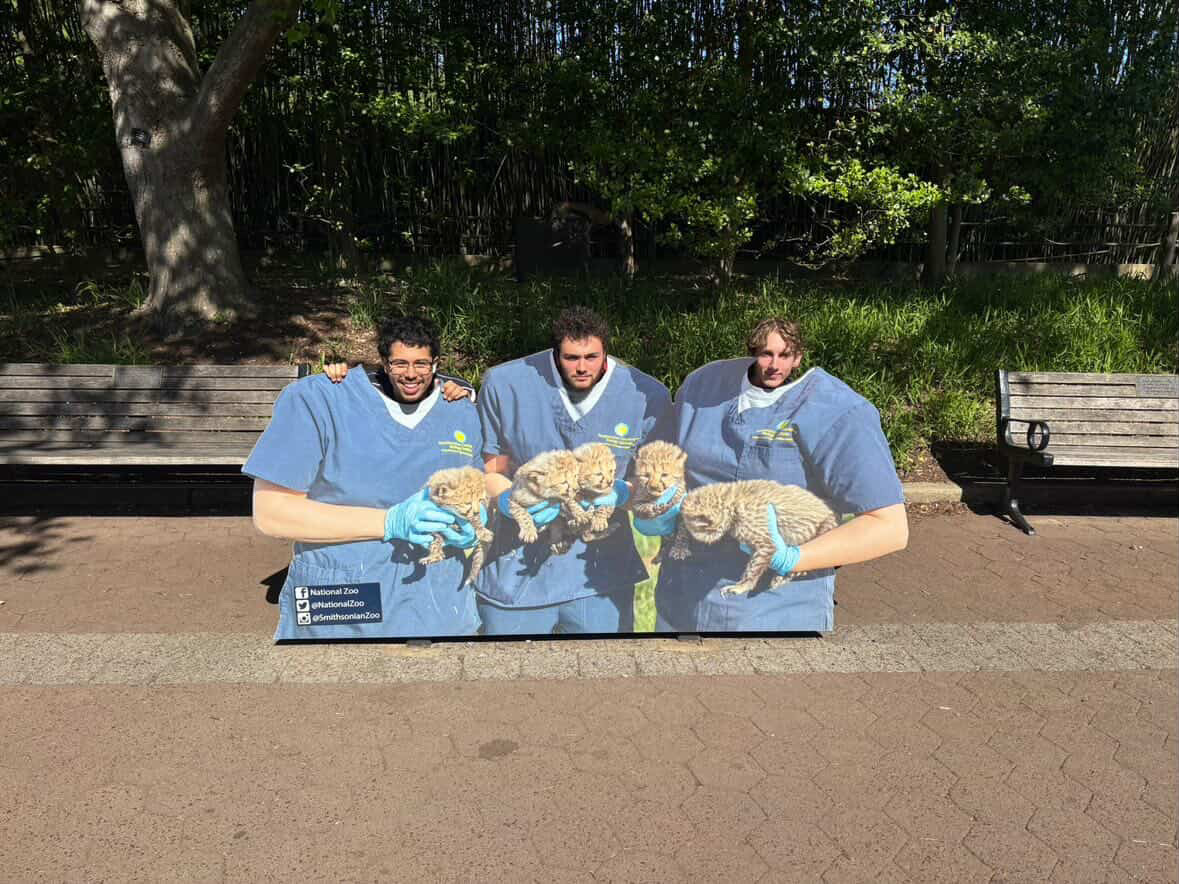
May 3, 2026 at the Smithsonian National Zoo in Washington, D.C.
During this excursion to the Smithsonian National Zoo, I explored several themed exhibits that focused on ecosystems, biodiversity, species adaptations, and conservation efforts. The three main exhibits I focused on were the Reptile Discovery Center, Amazonia, and the Small Mammal House. Each exhibit used different methods to educate visitors through immersive environments, interactive activities, and detailed species information.
1. Reptile Discovery Center
The Reptile Discovery Center focused on reptiles and amphibians from around the world. Each species display included information about the animal’s habitat, diet, conservation status, and behavioral adaptations.
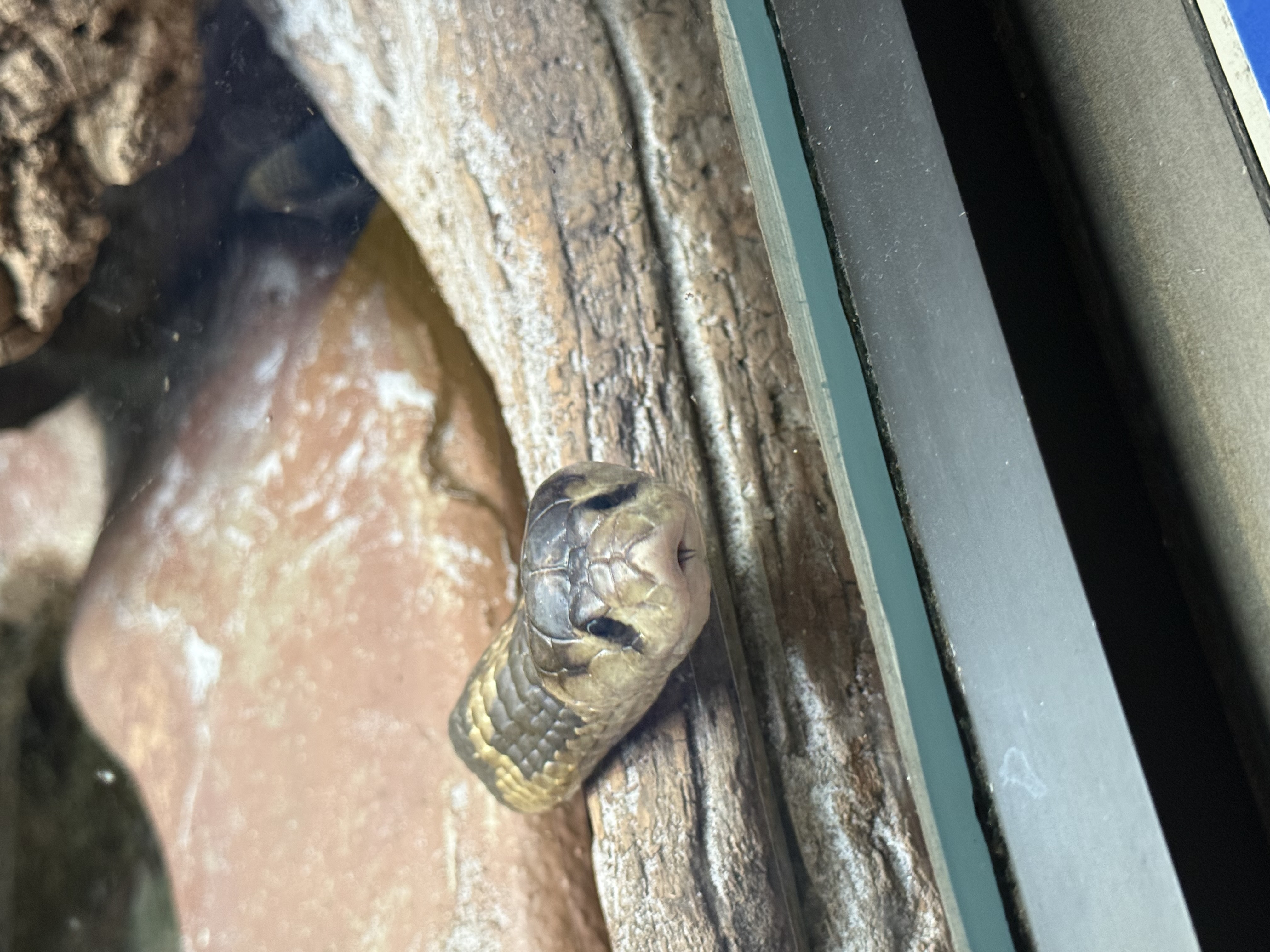
One of the reptiles that stood out the most was the King Cobra, which is native to the forests and shrublands of South and Southeast Asia. The exhibit explained how king cobras are primarily carnivorous and feed almost exclusively on other snakes, lizards, and small vertebrates.
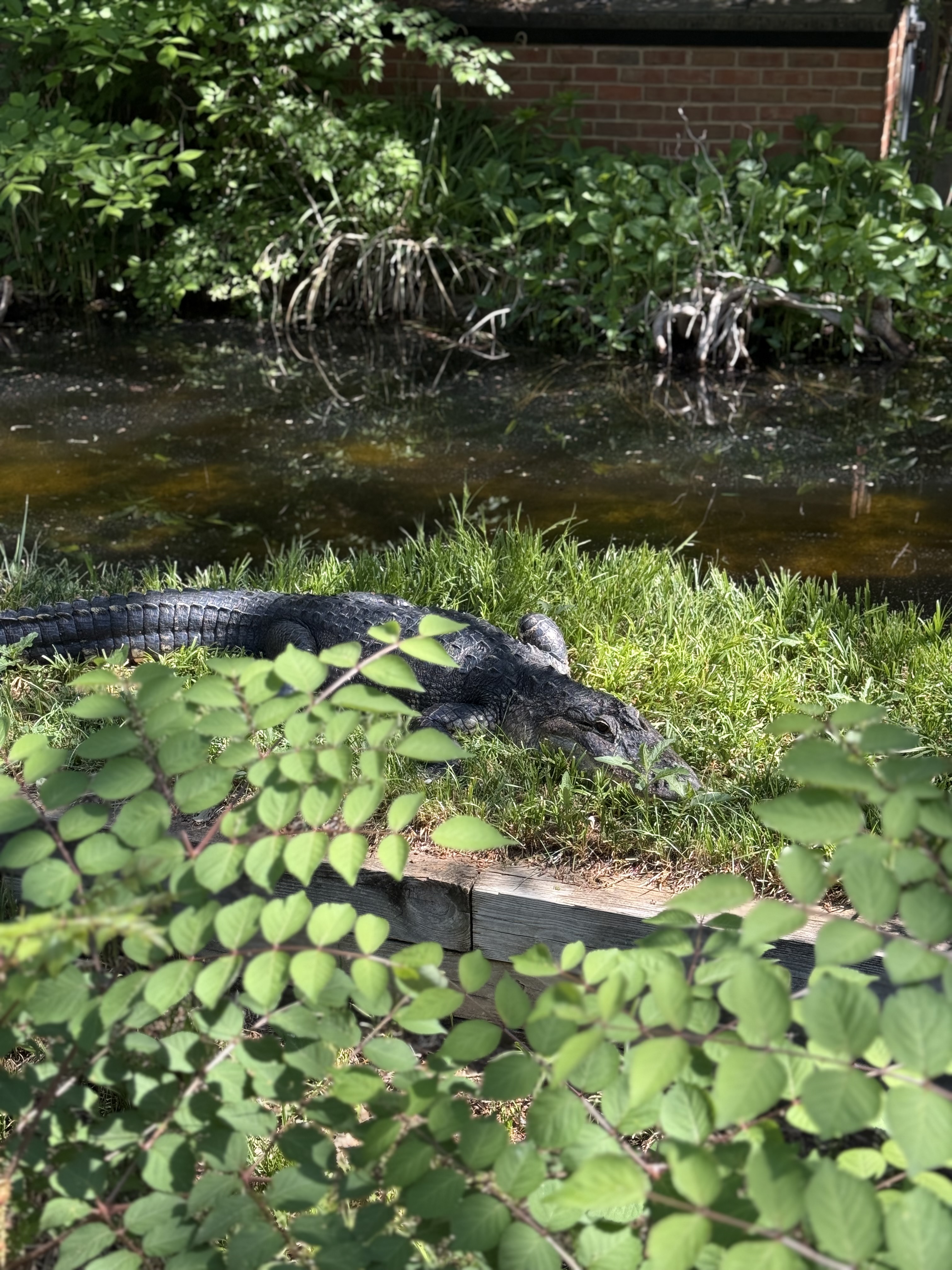
Another major attraction was the Cuban Crocodile, a species highly restricted to freshwater swamps and marshes in Cuba. The display explained how these crocodiles feed on fish, turtles, and small mammals while also emphasizing how athletic and aggressive they are compared to other crocodilian species.
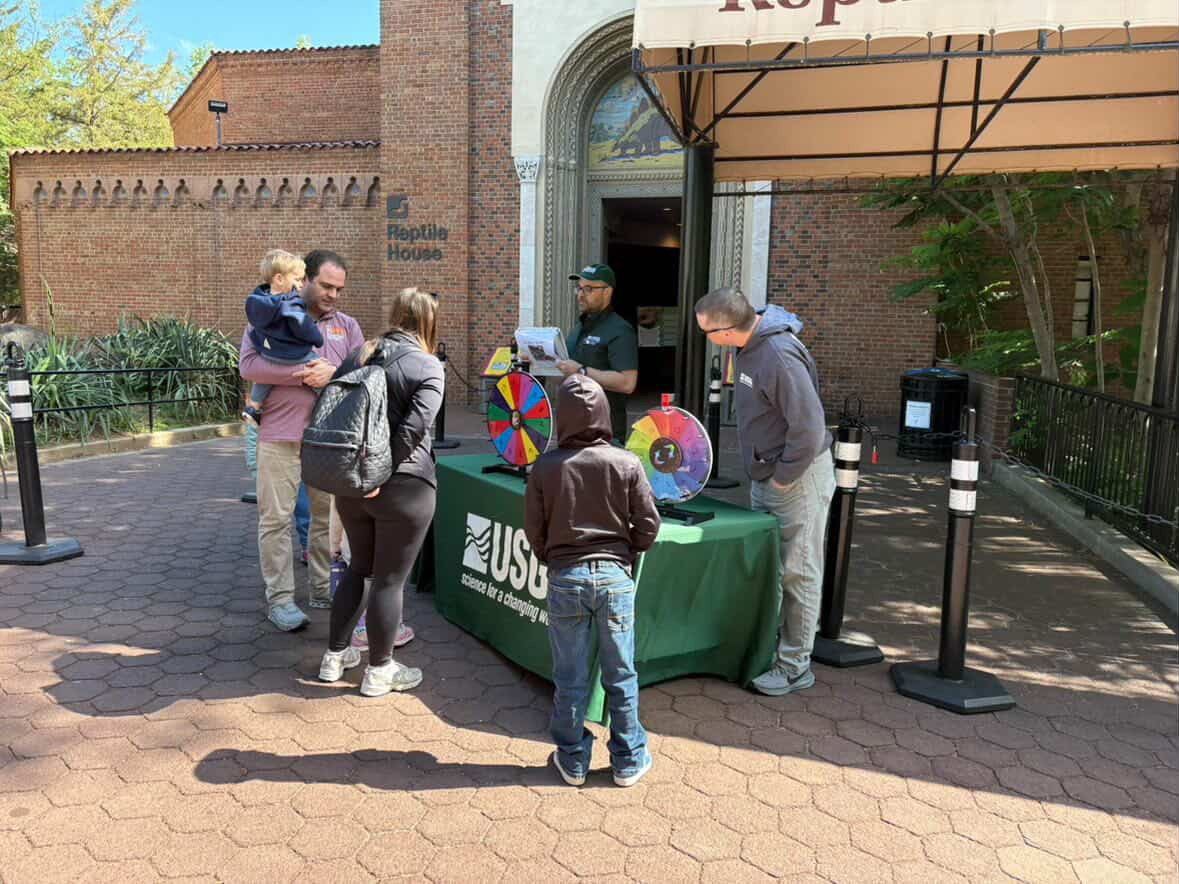
One of the most memorable interactive displays in this building was a spinning wheel trivia game. Visitors could spin the wheel and answer zoology questions for rewards. One question asked visitors, “At what age do frogs lose their ears?” This made the learning experience much more engaging rather than simply reading information from plaques.
2. Amazonia Exhibit
The Amazonia exhibit recreated the environment of the Amazon rainforest and focused heavily on biodiversity and ecosystem interactions.
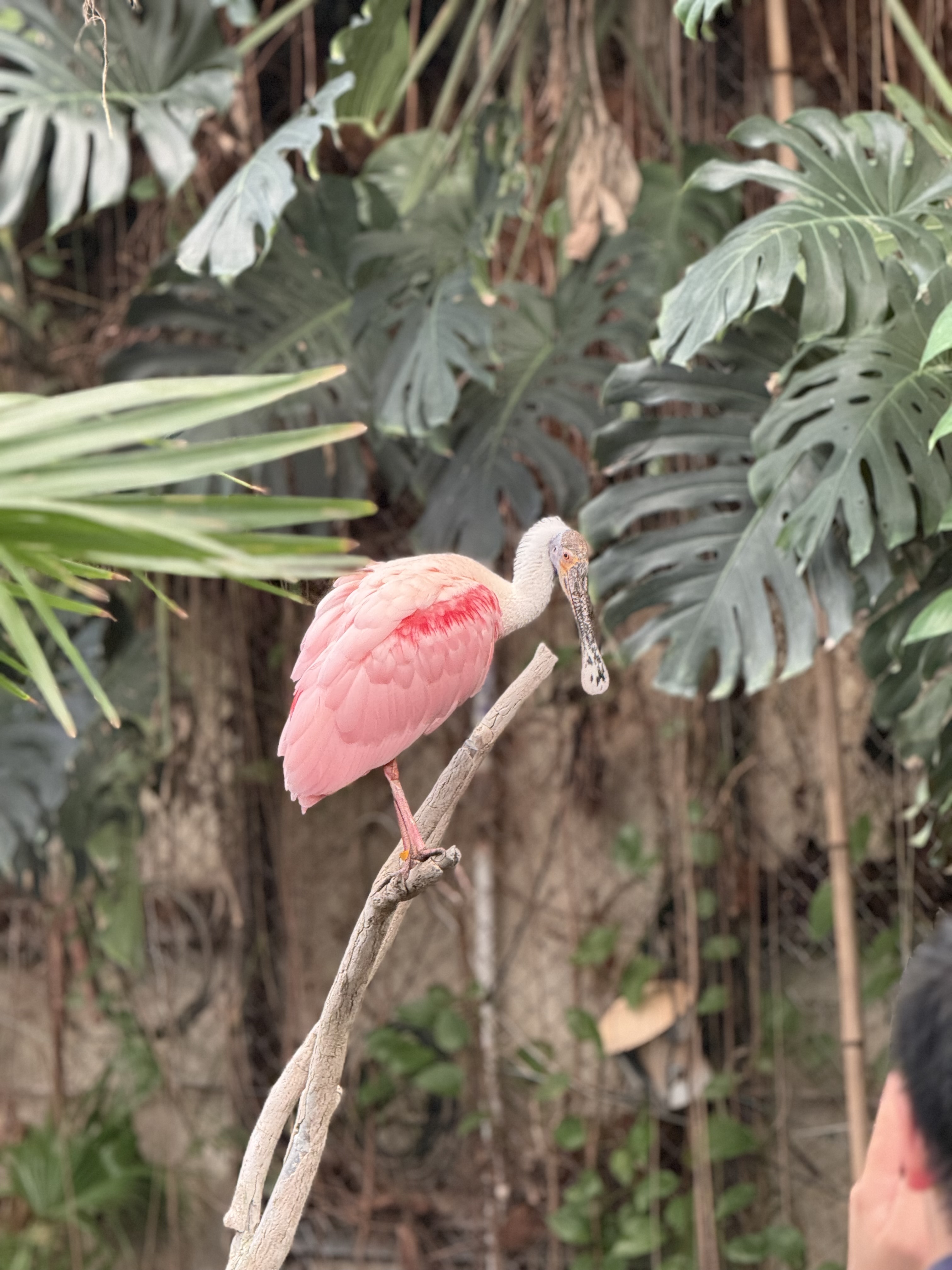
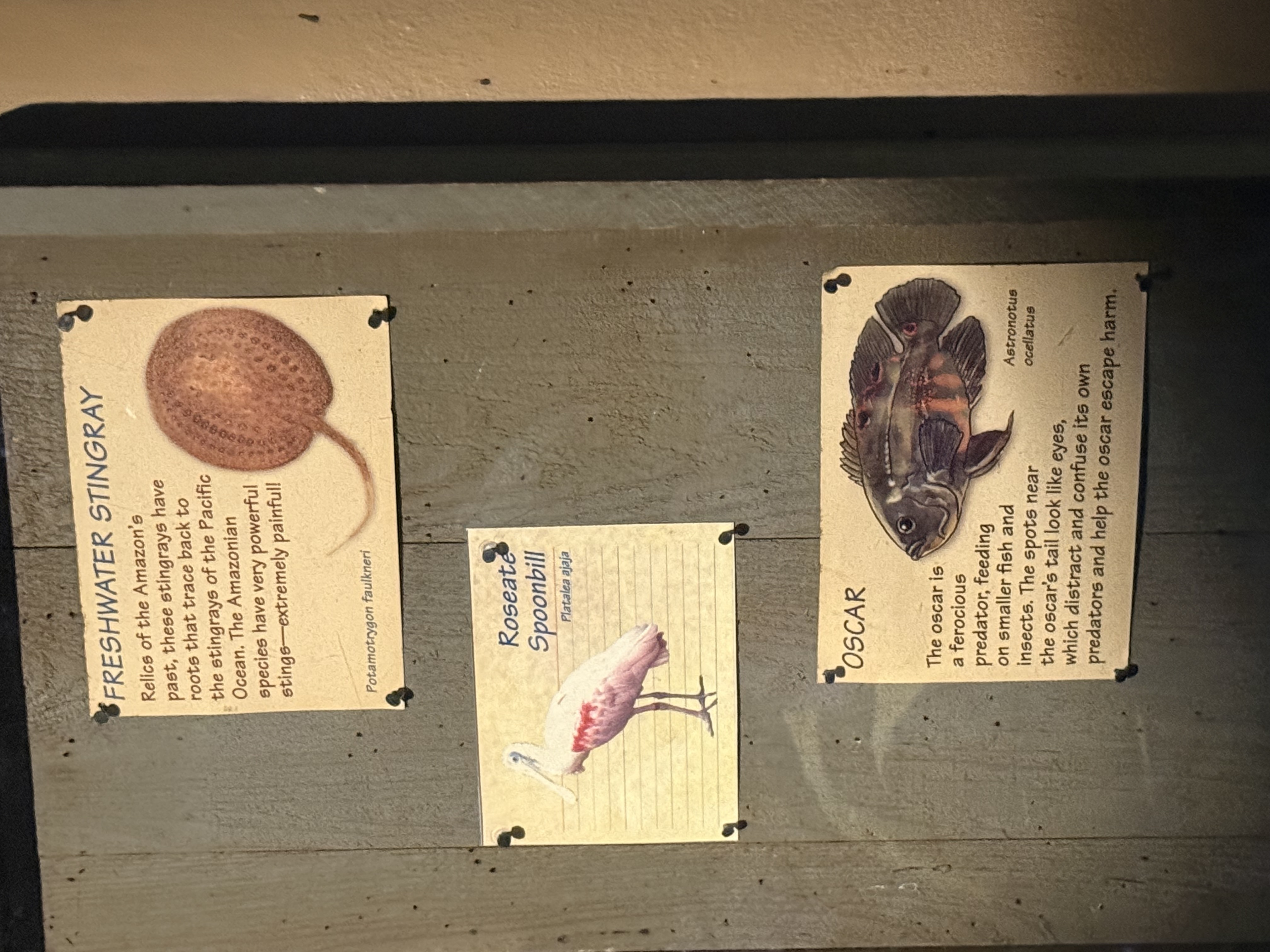
One species that immediately stood out was the Roseate Spoonbill, often referred to as the “pink bird.” The exhibit explained how these birds live in marshes and wetlands throughout the Americas and use their spoon-shaped bills to sift through mud for crustaceans and insects, which provide the pigments responsible for their pink coloration.
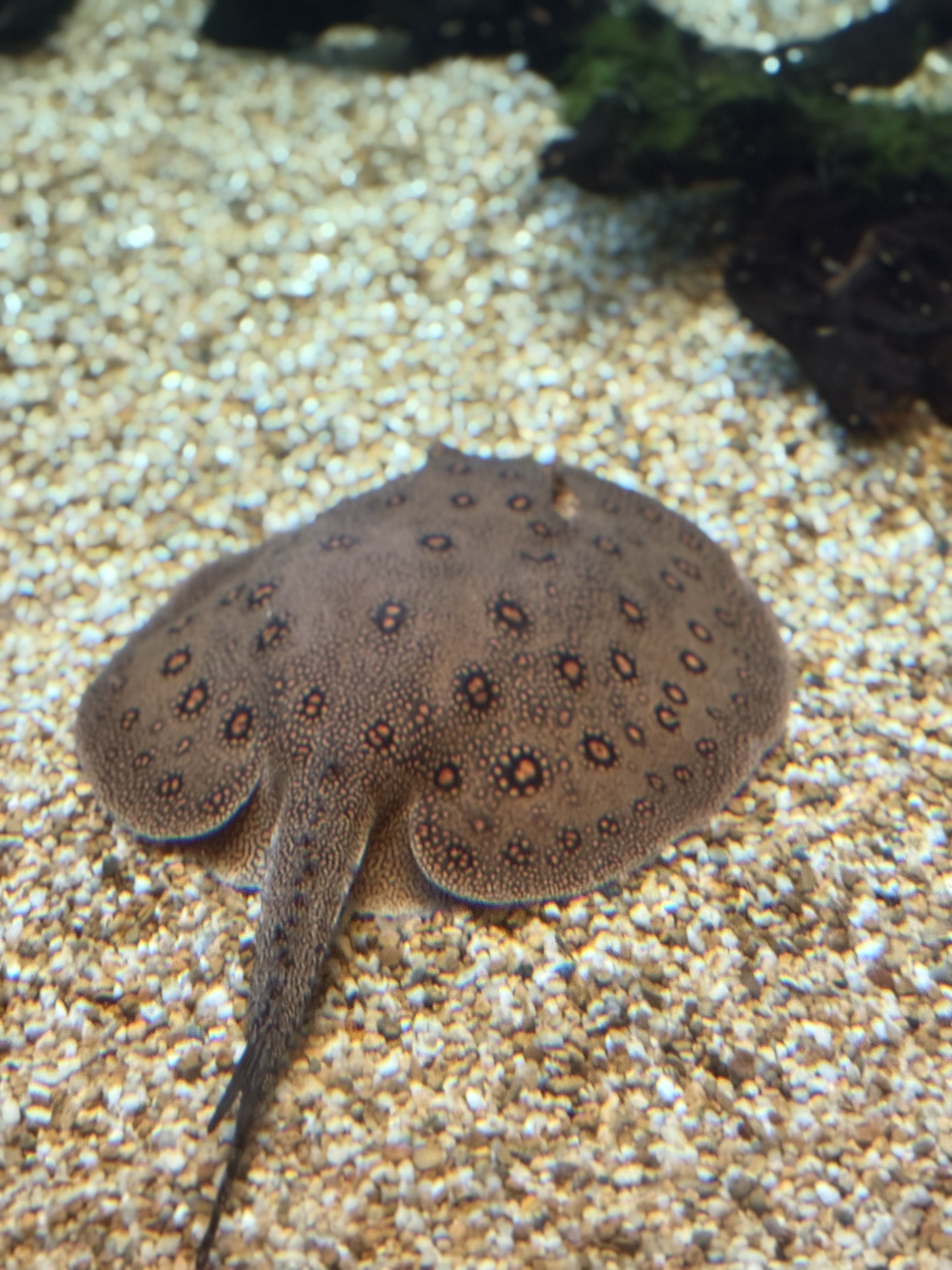
Another interesting species was the Freshwater Stingray, which the exhibit described as having ancient evolutionary roots connected to the Pacific Ocean. The information also explained how these stingrays possess extremely powerful and painful stings for defense.
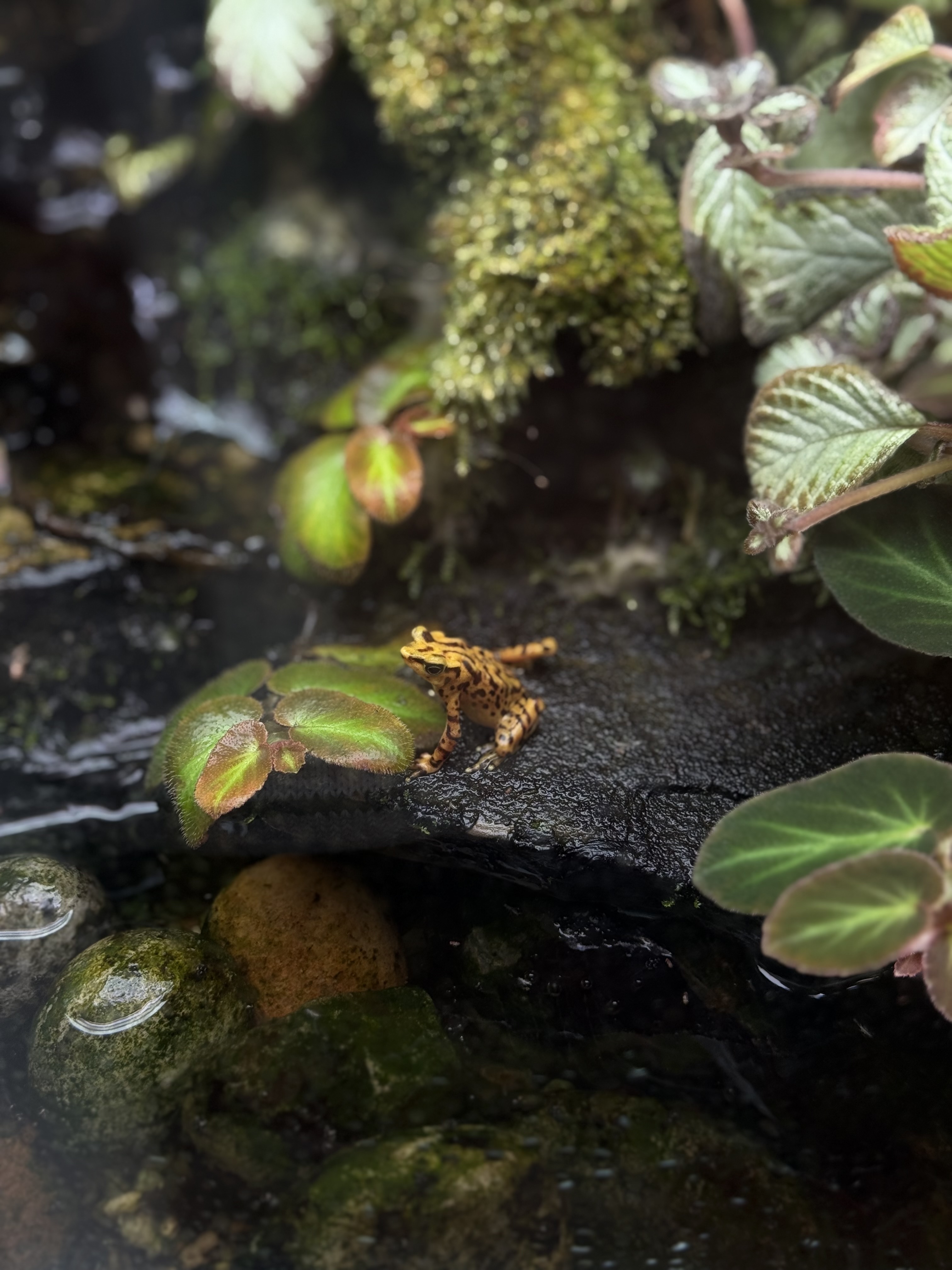
The Amazonian frog displays focused heavily on conservation, especially the global decline of amphibian populations due to the deadly chytrid fungus disease.
The entire Amazonia building itself acted as an immersive interactive display. The exhibit maintained high humidity and warm temperatures to recreate the rainforest environment, allowing visitors to physically experience conditions similar to the Amazon ecosystem.
3. Small Mammal House (Small Rodent Section)
The Small Mammal House focused on smaller mammals and rodents from ecosystems around the world. The displays included information about habitats, diets, social behaviors, and survival adaptations.
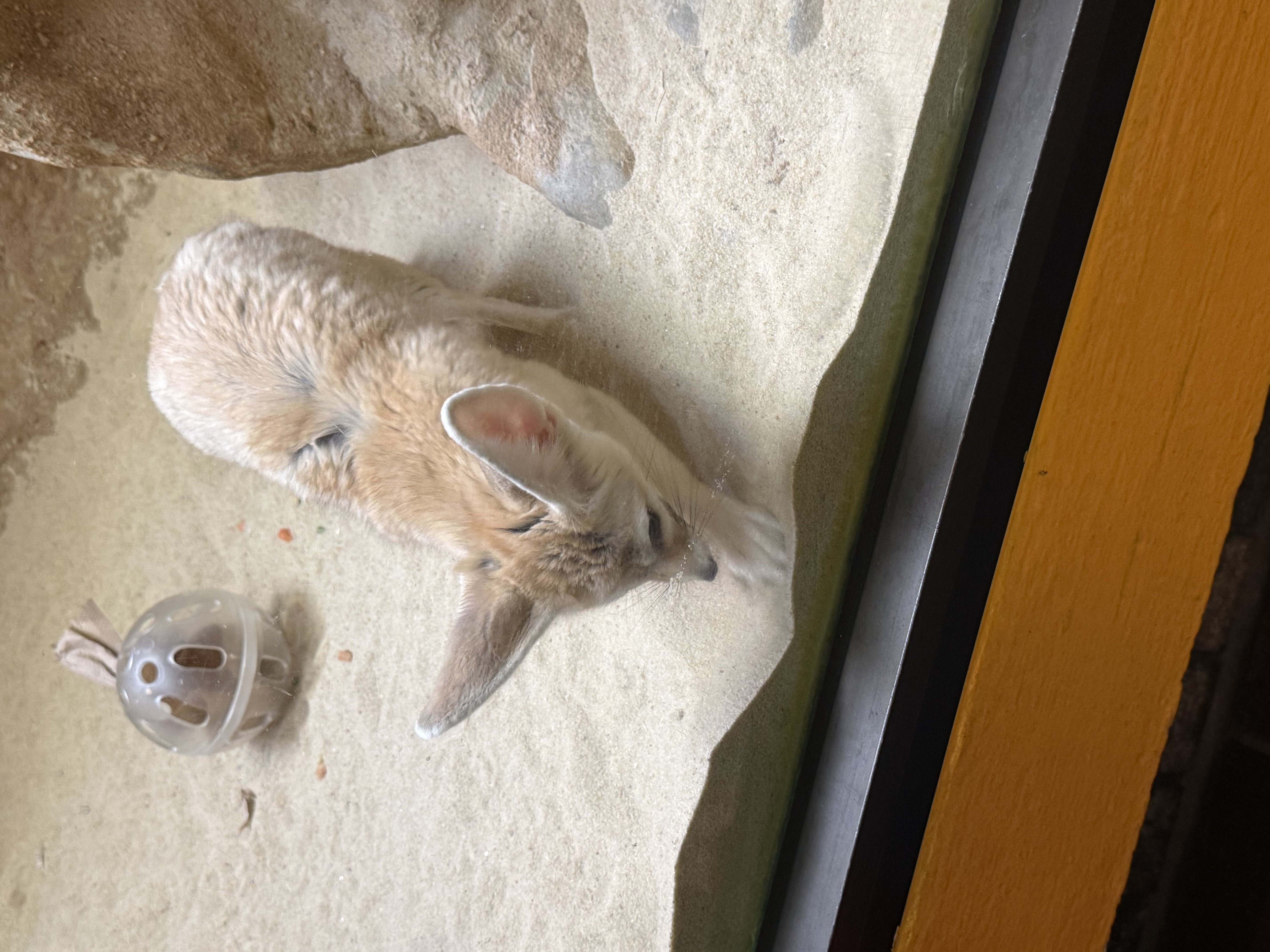
One animal that stood out immediately was the Little Desert Fox, also known as the Fennec Fox. Native to the sandy deserts of North Africa, the exhibit explained how its large ears help dissipate heat while also allowing it to hear prey moving underground.
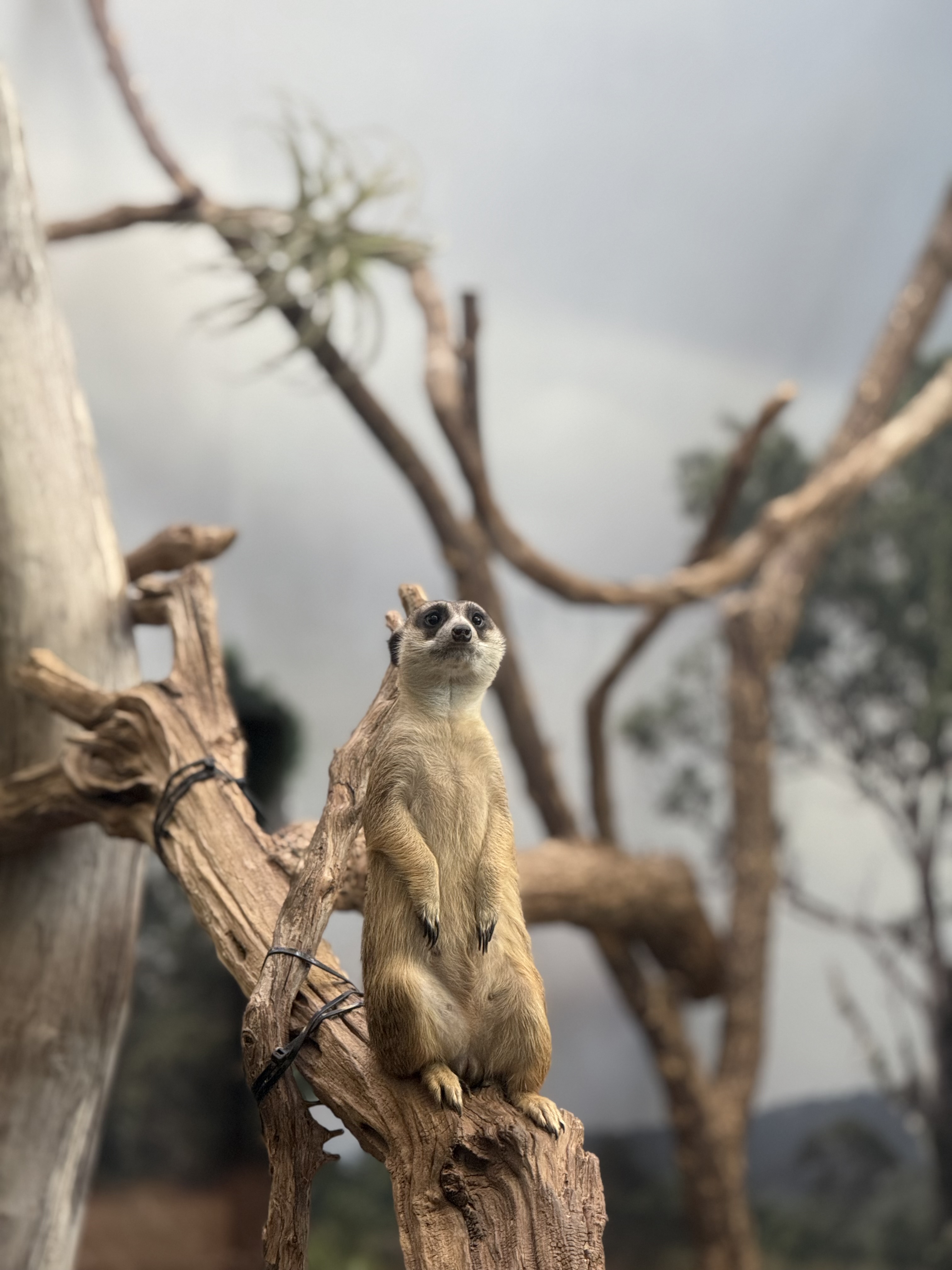
The meerkat exhibit attracted a large amount of attention because of how active and social the animals were. The display explained how meerkats live in highly social groups called mobs and rely on designated sentinels to watch for predators while the others forage for insects.
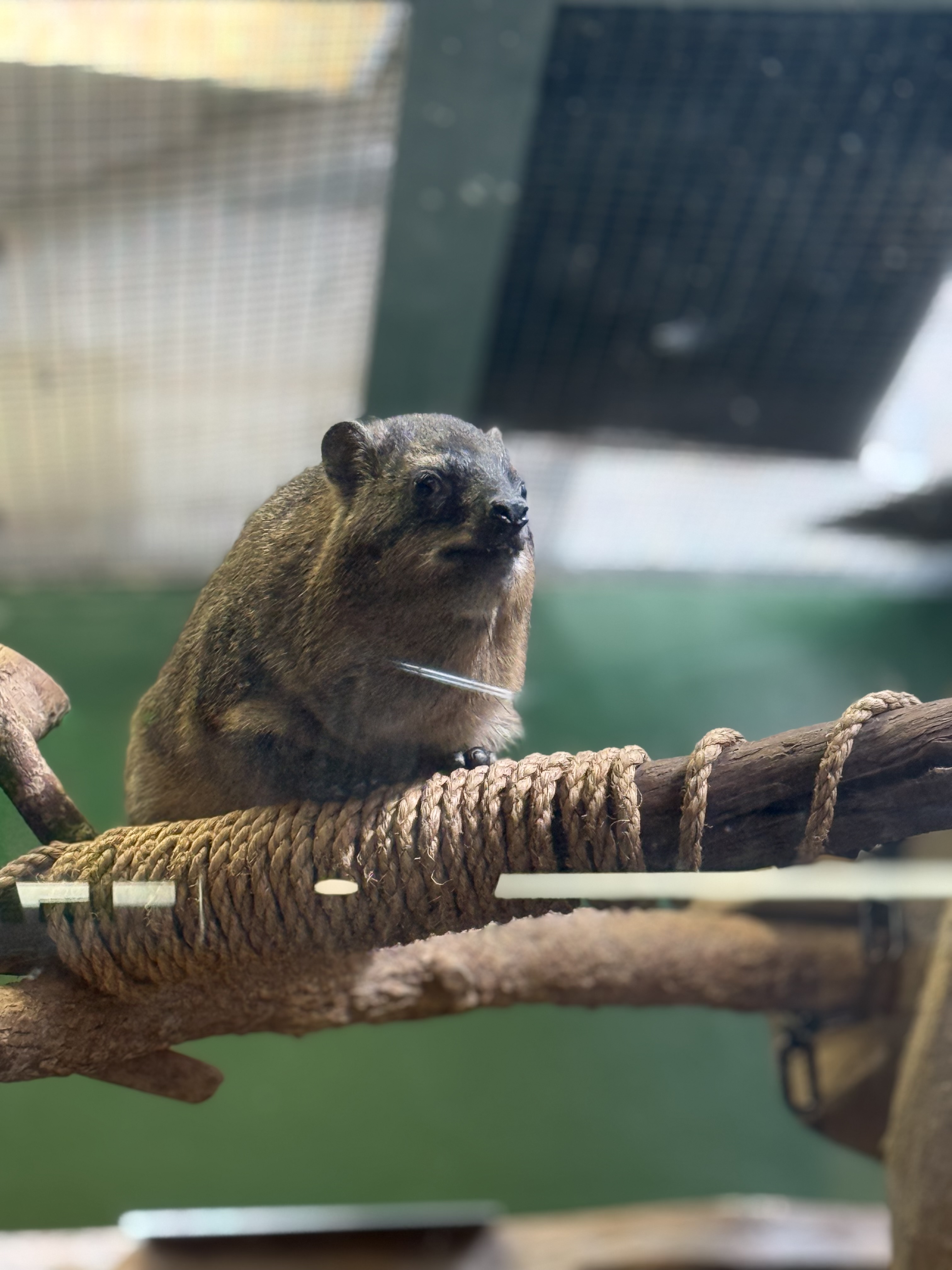
The Rock Hyrax exhibit highlighted survival adaptations for harsh environments, including climbing abilities, social grouping behaviors, and methods of conserving energy throughout the day.
Overall Reflection
Overall, this field trip changed the way I viewed zoos. Before attending, I mainly thought of zoos as places to simply look at animals, but after visiting the Smithsonian National Zoo I realized how much effort goes into conservation, education, and animal welfare.