


Event name:
National Zoological Park Excursion
Event time and place:
May 3, 2026 at the Smithsonian National Zoological Park in Washington, DC.
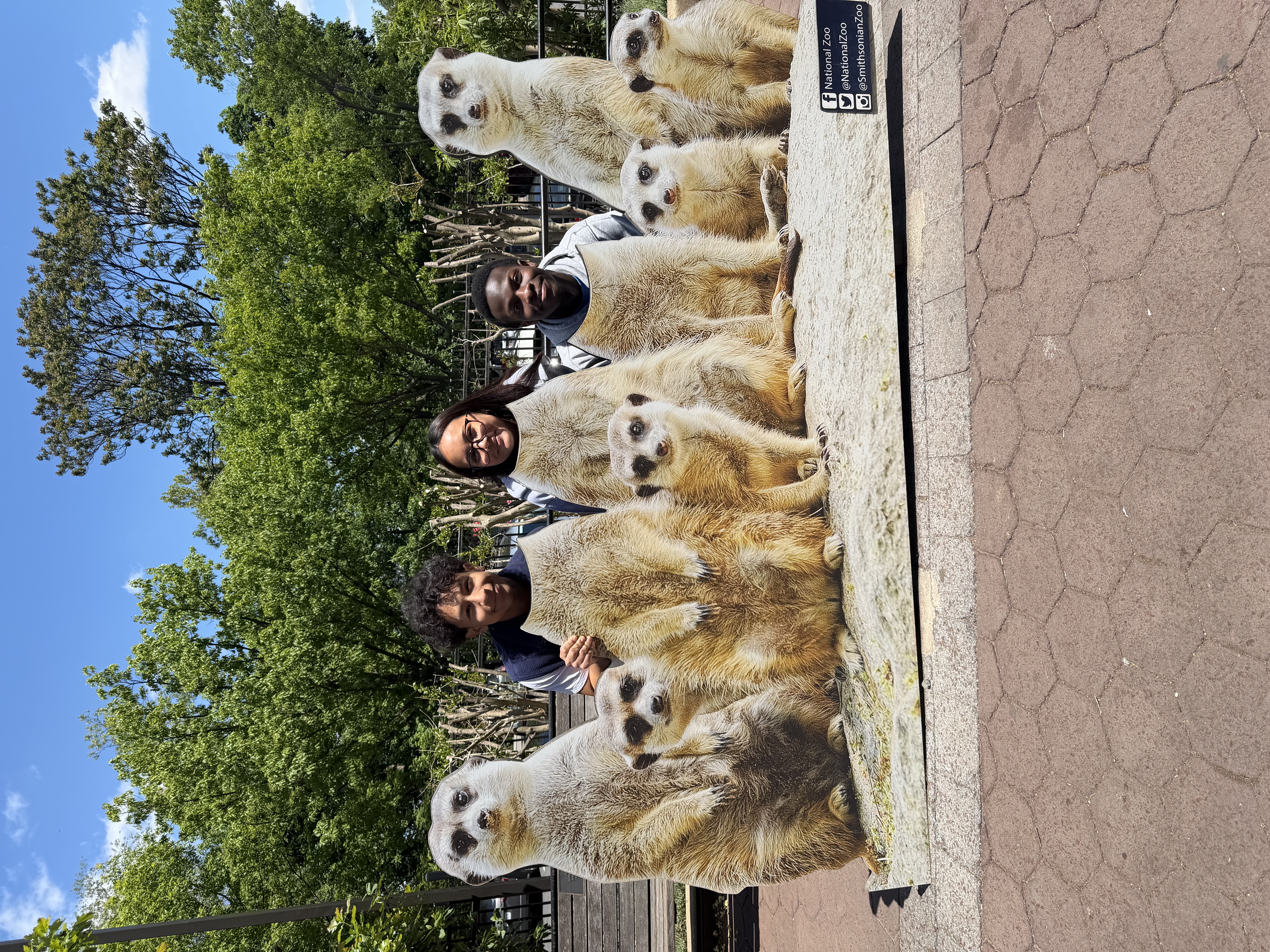
Figure 1. A photo from my CPSG101 visit to the Smithsonian National Zoological Garden.
For my CPSG101 Science and Global Change Colloquium excursion, I visited the Smithsonian National Zoological Garden in Washington, DC on May 3, 2026. During this trip, I explored three main buildings and exhibit areas: Amazonia, the Small Mammal House, and the Reptile Discovery Center. Amazonia was also the building where I participated in a guided tour led by SGC faculty. While walking through the zoo, I paid attention not only to the animals themselves, but also to how the zoo used signs, displays, objects, and habitat design to teach visitors about animal biology, ecosystems, conservation, and animal welfare.
Amazonia
The first major building I explored was Amazonia, which was also the guided portion of the trip with SGC faculty. This building stood out because it did not feel like a regular hallway of separate animal exhibits. Instead, it felt more like walking through a living rainforest environment. There were tall plants, humid air, water features, large aquarium tanks, and signs that helped connect the animals to the larger Amazon ecosystem. Because of the guided tour, I was able to think more deeply about the relationship between the animals, their habitats, and the ecological roles each species plays.
In Amazonia, the species signs usually listed the animal's common name, scientific name, habitat, range, and an important behavior or adaptation. One species I saw was the green-and-black poison frog, Dendrobates auratus. Its sign explained that it lives in tropical rainforests and ranges through Central and northern South America. The sign also described the male frog's role in guarding the eggs and carrying tadpoles on his back to small pools of water. I also saw the Panamanian golden frog, which was labeled as critically endangered. Its display explained its hand-waving behavior, which showed how even a small amphibian can have unique ways of communicating.
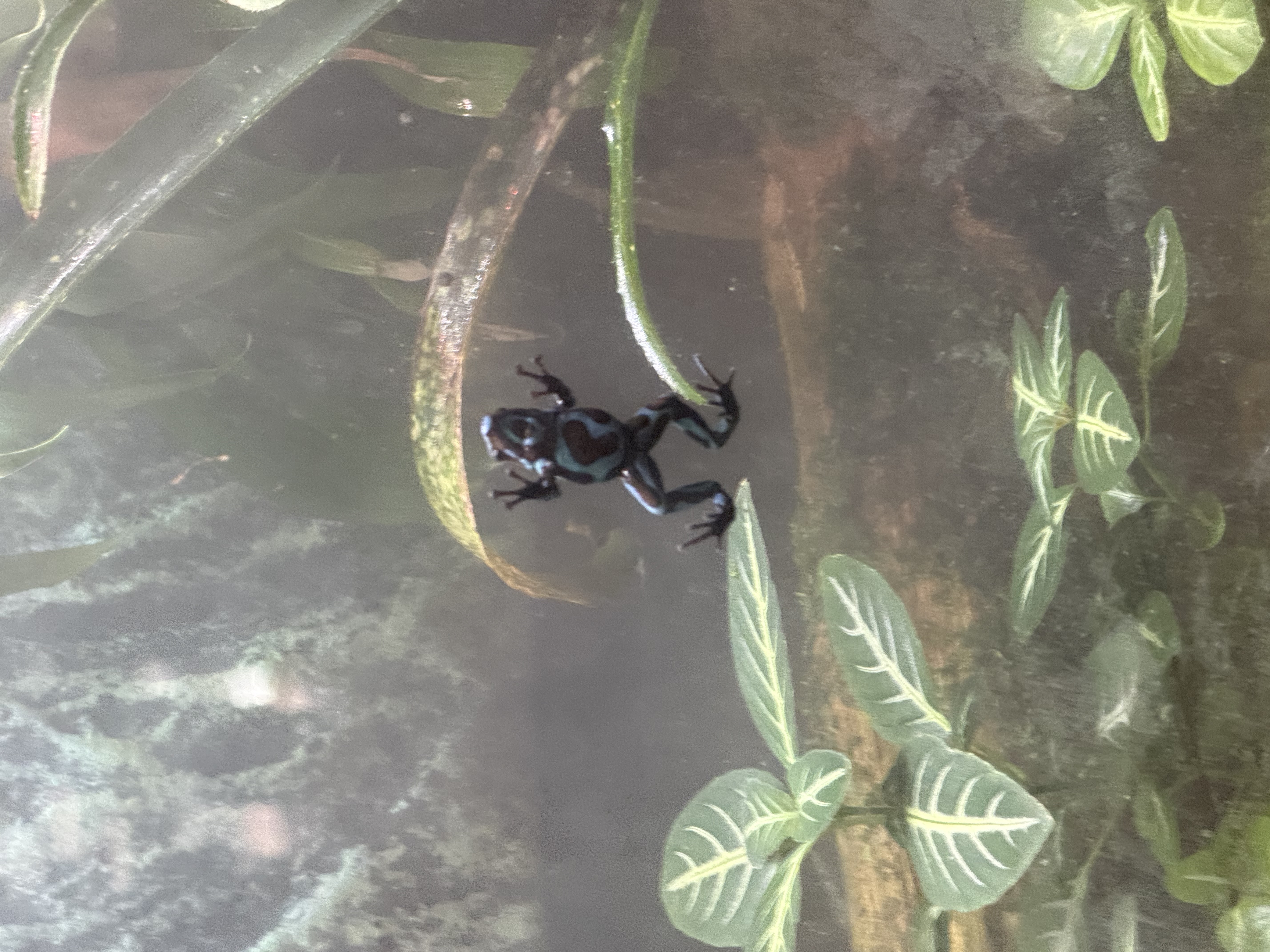
Figure 2. A green-and-black poison frog in Amazonia. The display explained its rainforest habitat and parental behavior.
I also observed several aquatic species in Amazonia. The arapaima display explained that arapaimas are part of an ancient group of fishes and that they are threatened because they are prized for food and may be overfished. Another sign explained that young arapaimas grow quickly and that adults can reach at least 10 feet long and weigh over 220 pounds. I also saw the black doradid, whose sign described its thorny spines, and the arrau turtle, whose display explained how it eats fruit in flooded forests and spreads seeds. Other fish I saw included freshwater angelfish, king tiger plecostomus, panda cory, rummy-nose tetra, and South American lungfish. The lungfish sign was especially interesting because it explained that, unlike most fish, lungfish have lungs and can breathe air, which allows them to live in oxygen-poor water.
The Amazonia exhibits went beyond simple identification plaques. One of the strongest educational parts was the immersive design of the building itself. Instead of only reading about tropical habitats, visitors could walk through a space filled with plants, water, and open exhibit areas. The large aquariums also helped show how fish interact with their environment because the tanks included plants, gravel, rocks, driftwood, and open swimming space. I also noticed a sign that said animals roam free in part of the exhibit and reminded visitors to keep their voices low and not encourage animals to approach. That sign showed that the zoo was not only educating visitors about animals, but also teaching them how to behave respectfully in an animal's space.
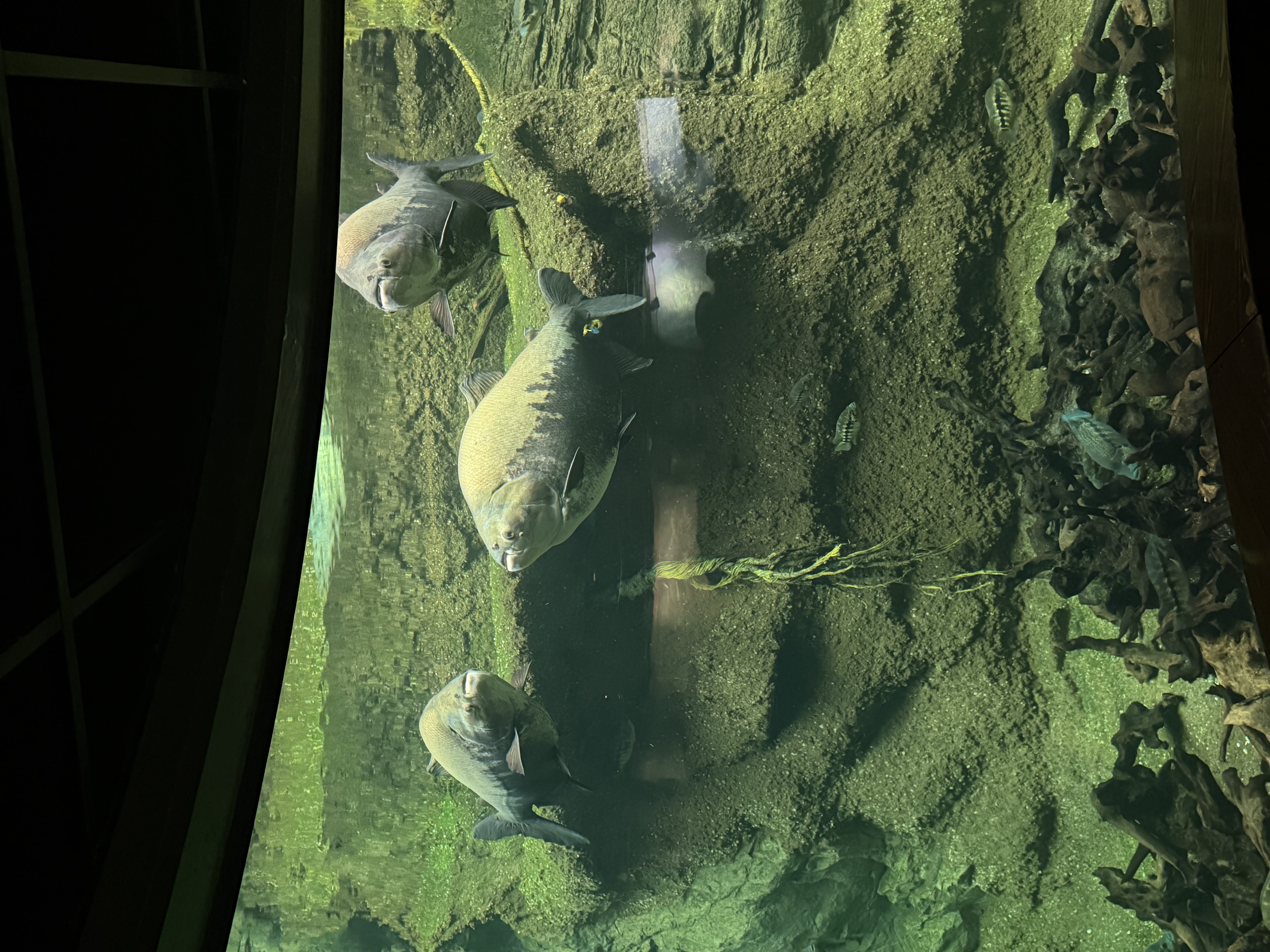
Figure 3. One of the large aquarium tanks in Amazonia, showing how the exhibit uses water, plants, rocks, and space to represent an aquatic habitat.
I think Amazonia was aimed at a wide education level. Younger children could understand the colorful animals, large tanks, and simple signs, but older students and adults could also learn about conservation, biodiversity, ecological relationships, and habitat loss. I noticed that non-SGC visitors were paying attention in this building. Families and children especially seemed fascinated by the animals and the information. Some visitors watched the animals closely, others read the signs, and children seemed especially drawn to the more visual displays and active animals.
Small Mammal House
The second building I explored was the Small Mammal House. This building focused on smaller animals from different regions of the world, but it still showed a lot of variety in body structure, behavior, diet, and habitat. The signs in this building usually included the common name, scientific name, range, habitat, diet, and a short fact about the animal's behavior or adaptations. The information was presented in a way that was easy to understand, but still detailed enough to teach visitors something new.
One animal I saw was the northern tree shrew, Tupaia belangeri. Its sign listed its range as Southeast Asia, its habitat as tropical rainforests, and its diet as insects, fruits, and plants. The sign also shared an interesting fact about its milk being very high in fat. I also saw the fennec fox, whose display explained that it is the smallest of the dogs, wolves, and foxes, but has the largest ears for its body size compared to its relatives. The fennec fox was memorable because the animal itself was small, but its ears immediately showed how physical traits can help an animal survive in its environment.
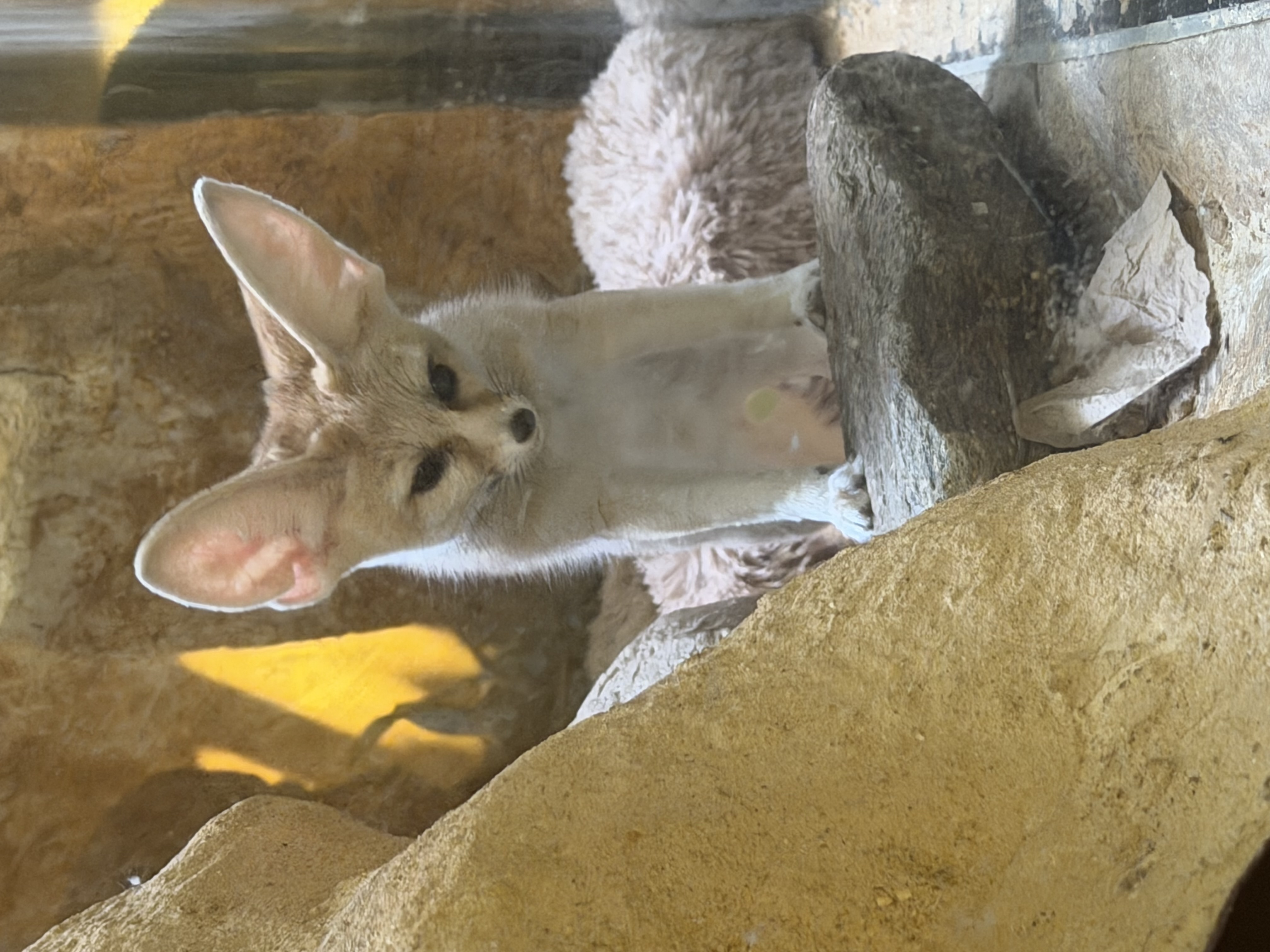
Figure 4. A fennec fox in the Small Mammal House. Its large ears were one of the main features explained by the exhibit sign.
I also observed naked mole-rats, prehensile-tailed porcupines, red ruffed lemurs, golden lion tamarins, and an armadillo. The naked mole-rat display explained that they are social burrowing rodents found in eastern Africa. It also said they are nearly blind, live underground, and do not follow normal night or day patterns the way many other animals do. The prehensile-tailed porcupine sign listed its range as South America, its habitat as tropical forests, and its diet as leaves, flowers, shoots, and roots. The red ruffed lemur sign identified it as endangered and explained that it gives alarm calls when it senses danger. These examples showed how the Small Mammal House used smaller animals to teach bigger ideas about adaptation, behavior, conservation, and habitat.
This building also had displays that went beyond simple animal name plaques. One wall showed skulls and feeding adaptations with sections such as "Toothless" and "Crushing." These displays explained how different mammals use their mouths, tongues, teeth, and snouts to feed in different ways. For example, the anteater display explained how an animal without teeth can still catch ants and termites with its long tongue. There were also "What's That?" signs that explained features inside the exhibits, such as hiding spaces, climbing areas, and natural objects.
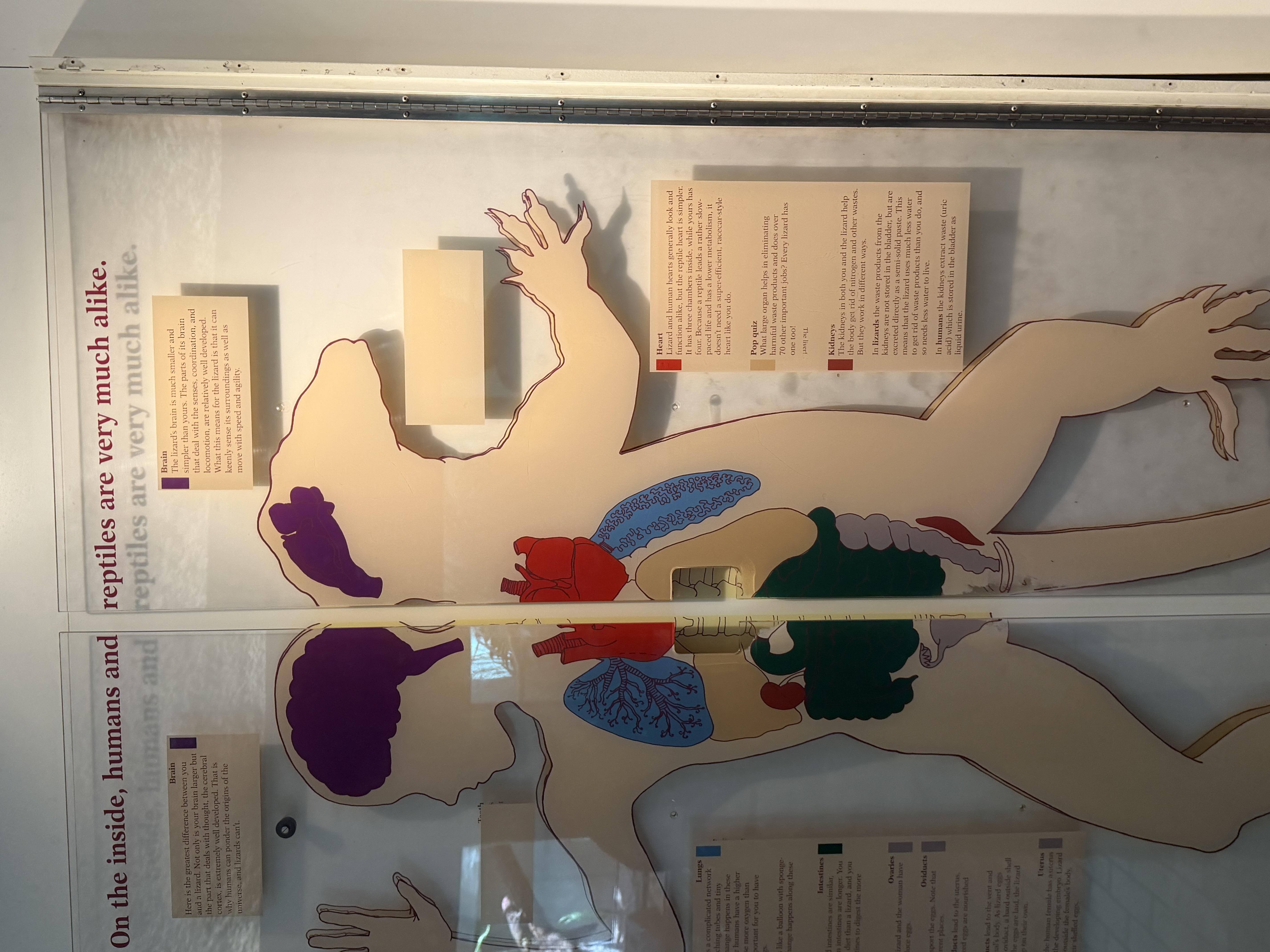
Figure 5. The Small Mammal House included educational displays about skulls, feeding adaptations, hiding spaces, and natural exhibit features.
I think the Small Mammal House was mostly aimed at families, children, and general visitors. The signs used large animal illustrations, short paragraphs, range maps, and simple comparisons that made the information easier to understand. At the same time, the signs still introduced scientific ideas like diet, habitat, classification, and adaptation. I saw non-SGC visitors paying attention to the displays, especially when animals were visible. Children seemed especially interested because the animals were active, small, and easier to connect with visually.
Reptile Discovery Center
The third building I explored was the Reptile Discovery Center. This building focused on reptiles and amphibians, but it also did a strong job showing how these animals are connected to anatomy, evolution, movement, and survival. The species signs included information such as the animal's name, scientific name, range, habitat, and important adaptations. Some signs also included conservation threats, which helped connect the animals to larger environmental issues.
One species I saw was the black tree monitor, Varanus beccarii. Its sign explained that it lives in forests and ranges from the Aru Islands of Indonesia. It also explained that the black tree monitor uses its long tail for balance while climbing and that its population is threatened by habitat loss and fragmentation. I also saw a Burmese python jaw display, which compared the jaw open and closed. This helped show how snake skulls and jaws are adapted for feeding. I also saw the California tiger salamander, Ambystoma californiense, and a sign explaining that salamanders are not lizards because they have moist skin, long tails, and long bodies close to the ground, while lizards are reptiles with dry, scaly skin. Another species I documented was the matamata, Chelus fimbriatus, whose sign explained that it lives in water but cannot breathe underwater, so it uses its nose like a built-in snorkel to reach air at the surface.
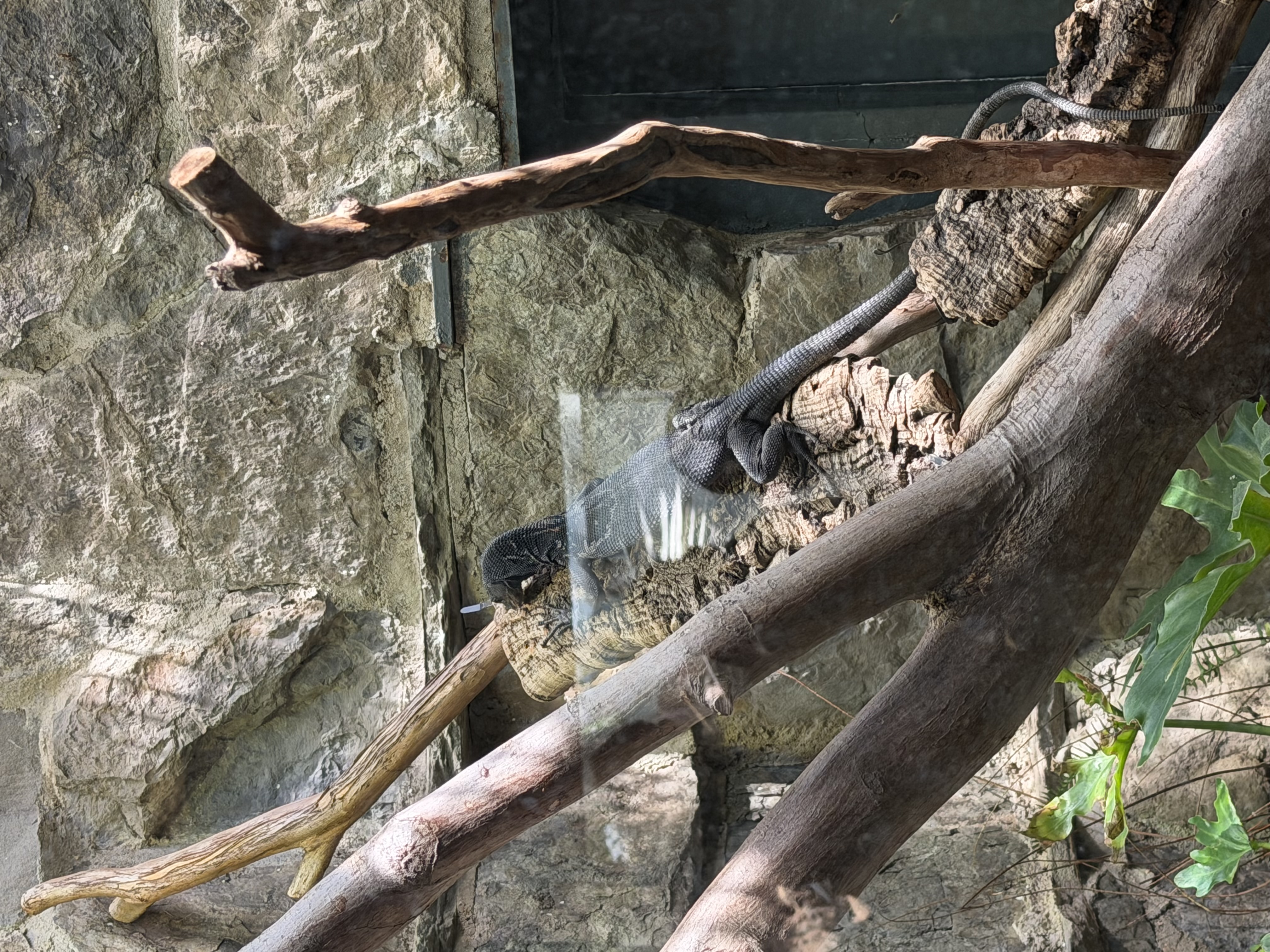
Figure 6. A black tree monitor using branches in its exhibit. The display explained that its tail helps it balance while climbing.
The Reptile Discovery Center had some of the best educational displays of the trip. One display showed radiograph-style images of a snake, turtle, and frog, helping visitors see bones and internal structures that are normally hidden. Another display compared humans and reptiles on the inside, showing that even though reptiles look very different from us externally, they still have organs such as brains, hearts, kidneys, lungs, and digestive systems. The Burmese python jaw model was another strong example because it gave a physical comparison of how the jaw looks open and closed. These displays made the building feel more interactive and more focused on biology, not just animal viewing.
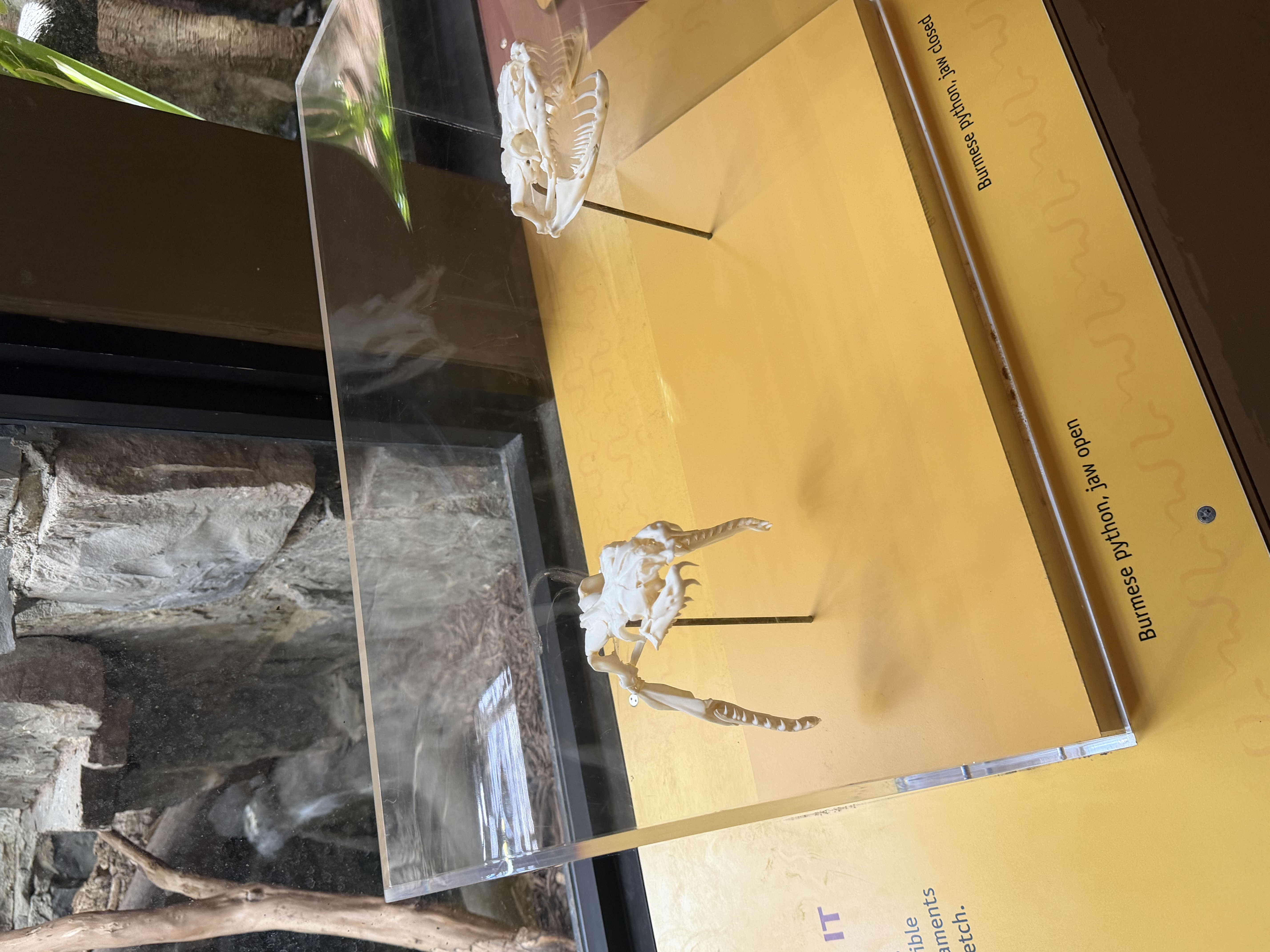
Figure 7. The Reptile Discovery Center used radiographs and anatomy displays to help visitors understand animal bodies beyond what can be seen from the outside.
I think this building was aimed at general visitors, but it also reached a higher educational level than some of the other exhibits. Younger visitors could still enjoy seeing snakes, turtles, lizards, frogs, and salamanders, but the anatomy displays seemed especially useful for middle school, high school, or college students learning about animal structure and function. I noticed non-SGC visitors paying attention here too. Children and adults looked at the skeletons, jaw models, and live animals, and these displays seemed to make people pause longer than a normal plaque would.
How the Zoo Educates the Public
Zoos are not only places where people look at animals. They are also places where visitors can learn about ecology, animal behavior, conservation, and the connections between species and their environments. One example of this was the immersive design of Amazonia. Instead of only showing animals in separate tanks or cages, Amazonia used plants, water, humidity, free-roaming areas, and large aquariums to make the ecosystem itself part of the lesson. Walking through the space helped me understand that animals are not separate from their habitats. Their behaviors, diets, and survival depend on the environments around them.
A second example was the use of physical and visual learning displays in the Reptile Discovery Center and Small Mammal House. The reptile anatomy displays showed skeletons, radiographs, and comparisons between human and reptile organs. The Burmese python jaw model made it easier to understand how a snake's jaw works because visitors could see the difference between the jaw open and closed. In the Small Mammal House, the skull and feeding adaptation displays showed how different animals use different structures to eat. These examples were more effective than simple plaques because they gave visitors something visual and physical to study.
Animal Mental and Emotional Welfare
One of the major things I noticed during the trip was that many exhibits were designed to give animals choices. In the Small Mammal House, one sign explained that if visitors cannot find an animal, it may simply be resting or hiding. The sign said the zoo provides animals with choices, including places to sleep or hide, and that visitors may need to come back later. I thought this was important because it showed that the exhibits are not only designed for people to see animals. They are also designed so animals can move away from constant attention when they need privacy.
I saw several examples of this kind of welfare-focused design. The fennec fox had a soft resting area, and other small mammals had logs, rocks, bedding, burrow-like spaces, and branches. These objects make the exhibit more interesting and comfortable while also giving animals ways to rest, climb, hide, and explore. The red ruffed lemurs, golden lion tamarins, and prehensile-tailed porcupines had branches and elevated spaces that allowed them to move vertically instead of staying only on the ground.
The Reptile Discovery Center also showed examples of animal welfare through habitat design. The black tree monitor had branches and climbing surfaces, which matched its natural climbing behavior. The matamata and other aquatic species had water, rocks, gravel, and submerged areas that looked more natural than a plain tank. In Amazonia, the fish tanks used plants, driftwood, rocks, and open water, while the tomistoma habitat included both water and land. These features matter because they allow animals to use behaviors they would normally use in the wild, such as swimming, hiding, climbing, resting, and choosing between different parts of their environment.
Conclusion
Overall, the National Zoo excursion helped me see how zoo exhibits can combine science, education, conservation, and animal welfare. Amazonia showed how powerful an immersive ecosystem can be, especially when it connects animals to the rainforest environment around them. The Small Mammal House showed how even smaller animals can teach important lessons about adaptation, diet, habitat, and behavior. The Reptile Discovery Center helped me understand reptiles and amphibians through anatomy, models, and comparison displays. I also noticed that many non-SGC visitors, especially children, were genuinely interested in the information and not just the animals. This made the trip feel more meaningful because it showed how public education can happen naturally when exhibits are designed in a way that makes people curious.
By the end of the trip, I understood that a zoo is more than a place where animals are displayed. When done thoughtfully, it can be a space where visitors learn about species, ecosystems, conservation problems, and the responsibility humans have toward other forms of life.