On May 3, 2026, I visited the Smithsonian National Zoo. I visited the Small Mammal House, the Reptile Discovery Center, and Amazonia, then took a stroll around to look at other exhibits.
| Small Mammal House |
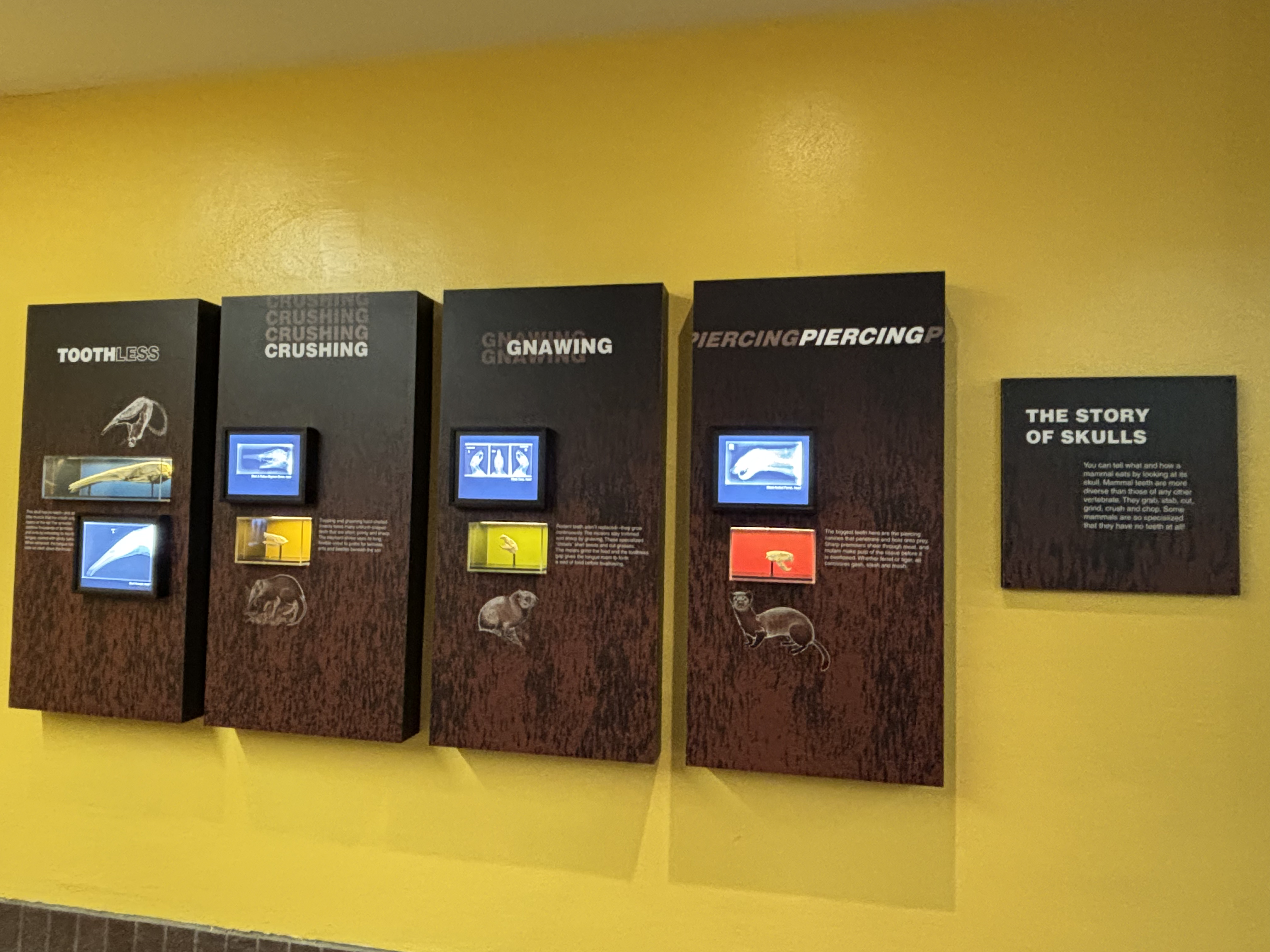
This was the first place I visited. With not much technical information, I imagine this is targeted towards a casual audience, with a fair bit of literacy but little prior knowledge. There were no interactive displays, although there was a series of x-rays of body parts and their functions. |
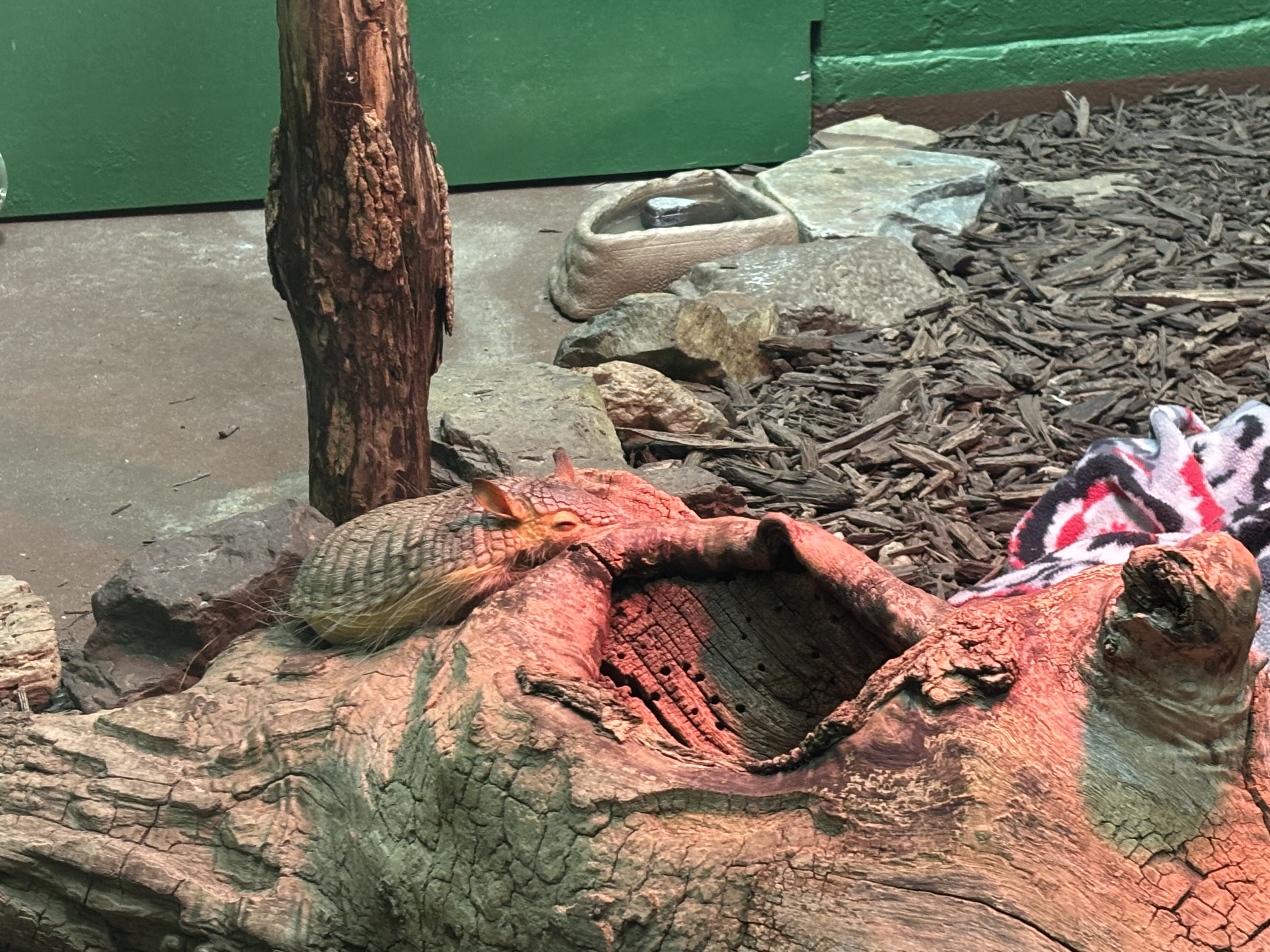 |
Screaming Hairy Armadillo: When threatened, makes loud squealing noises to try to startle predators and buy time to escape.
|
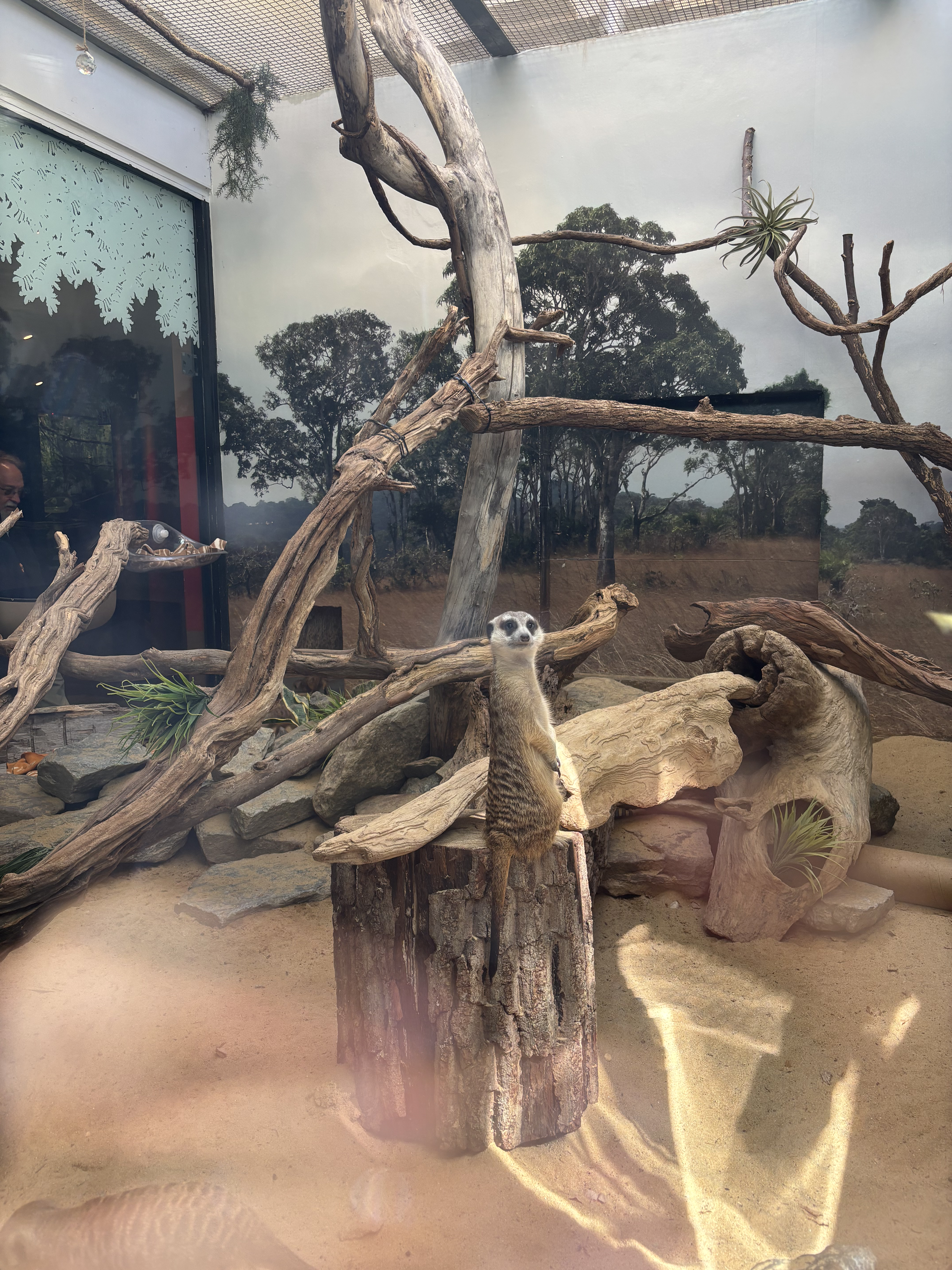 |
Slender-tailed Meerkats: They "take shifts" in keeping watch. Their warning calls communicate information about predators, whether they are in flight or on the ground and how far.
|
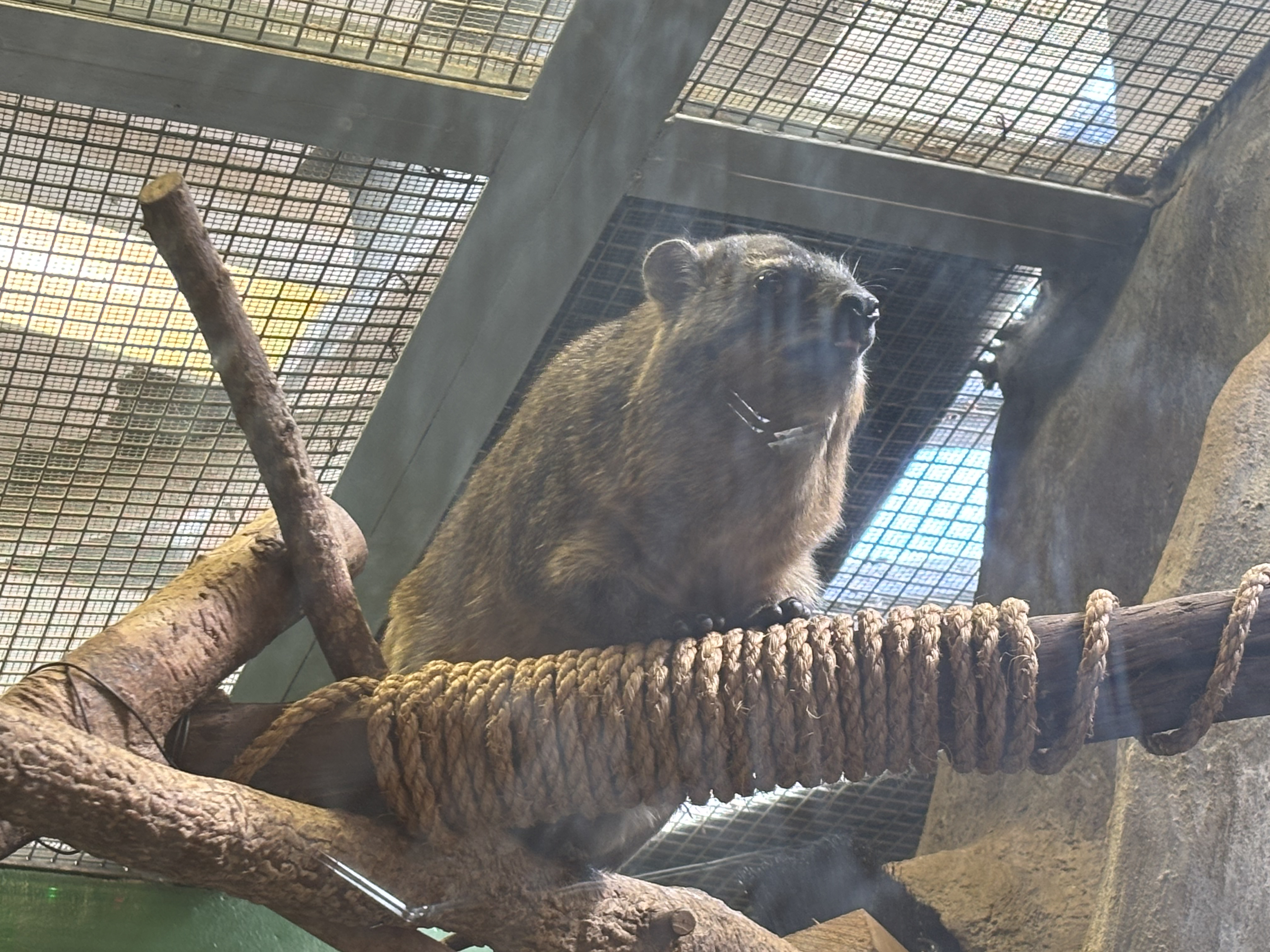
| Rock Hyrax: Tends to stay in burrow on cold days, and come out of it on more moderate days.
|
 |
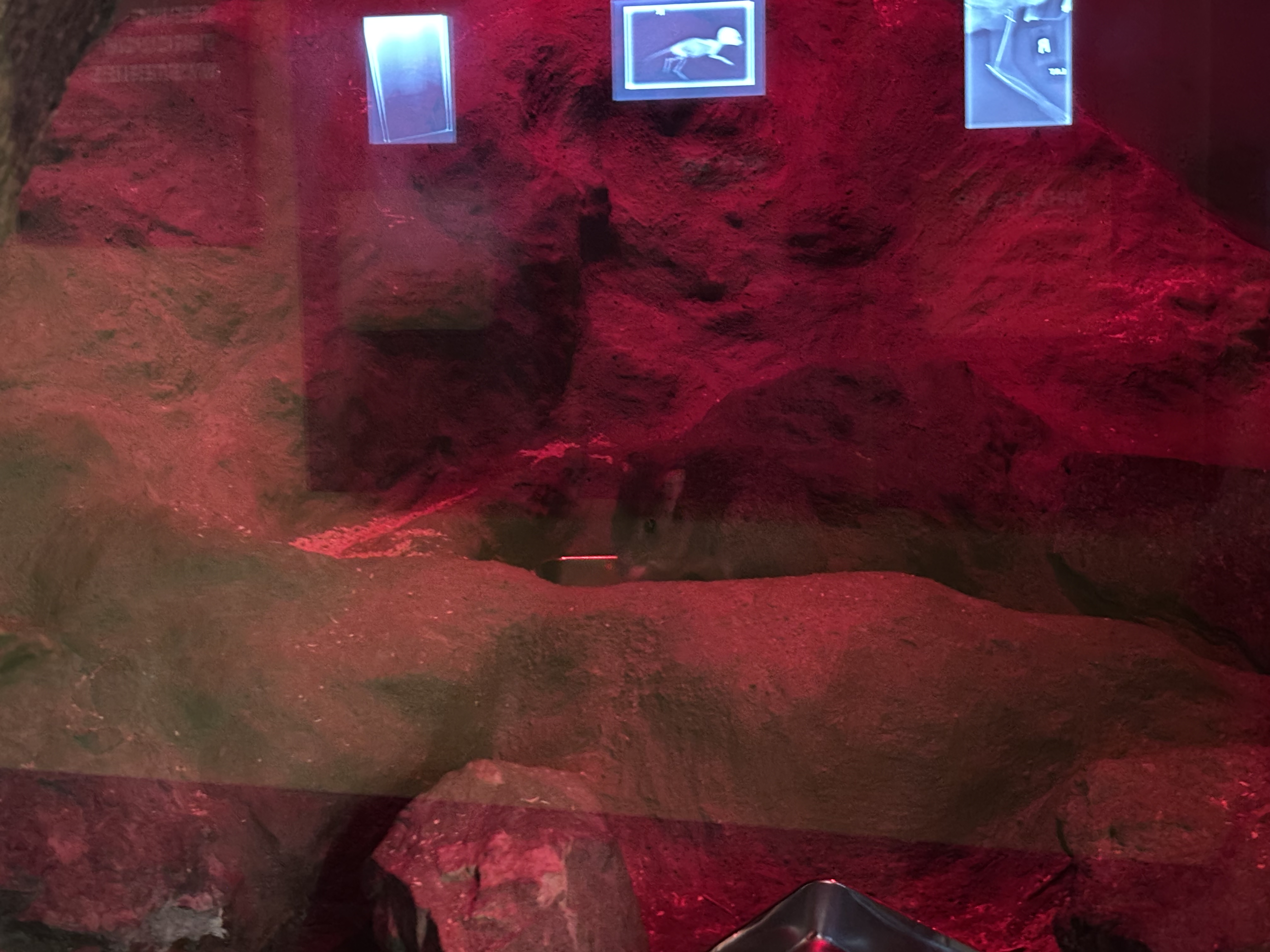
Brush-tailed Bettong: At risk because of cats introduced to their environment. It eats fungus that helps trees grow, and drops their spores. This helps restore burned-down Australian forests.
NOTE: The low light conditions in this exhibit are intentional. See my section below on animal welfare.
|
 |
| Reptile Discovery Center |
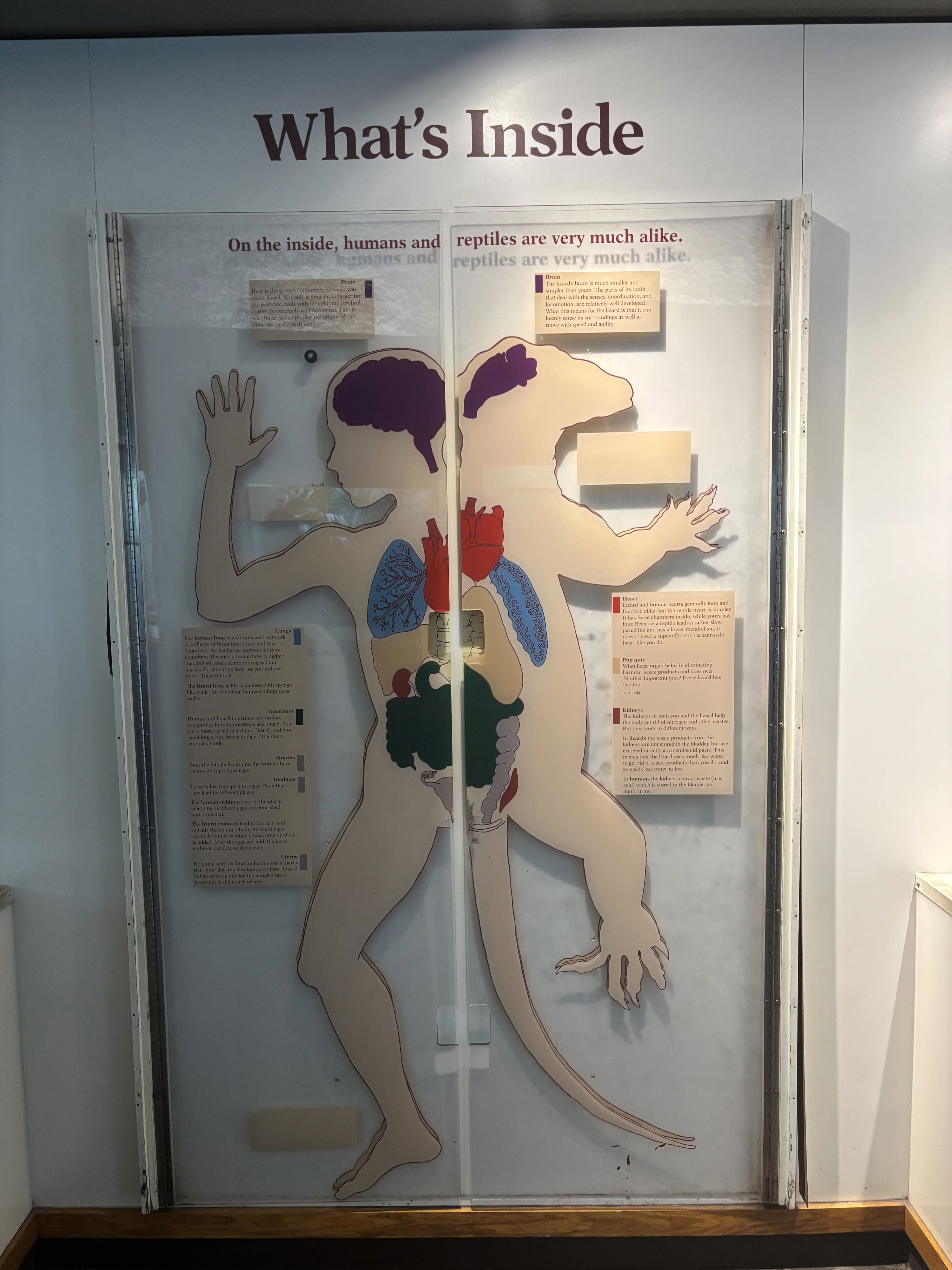
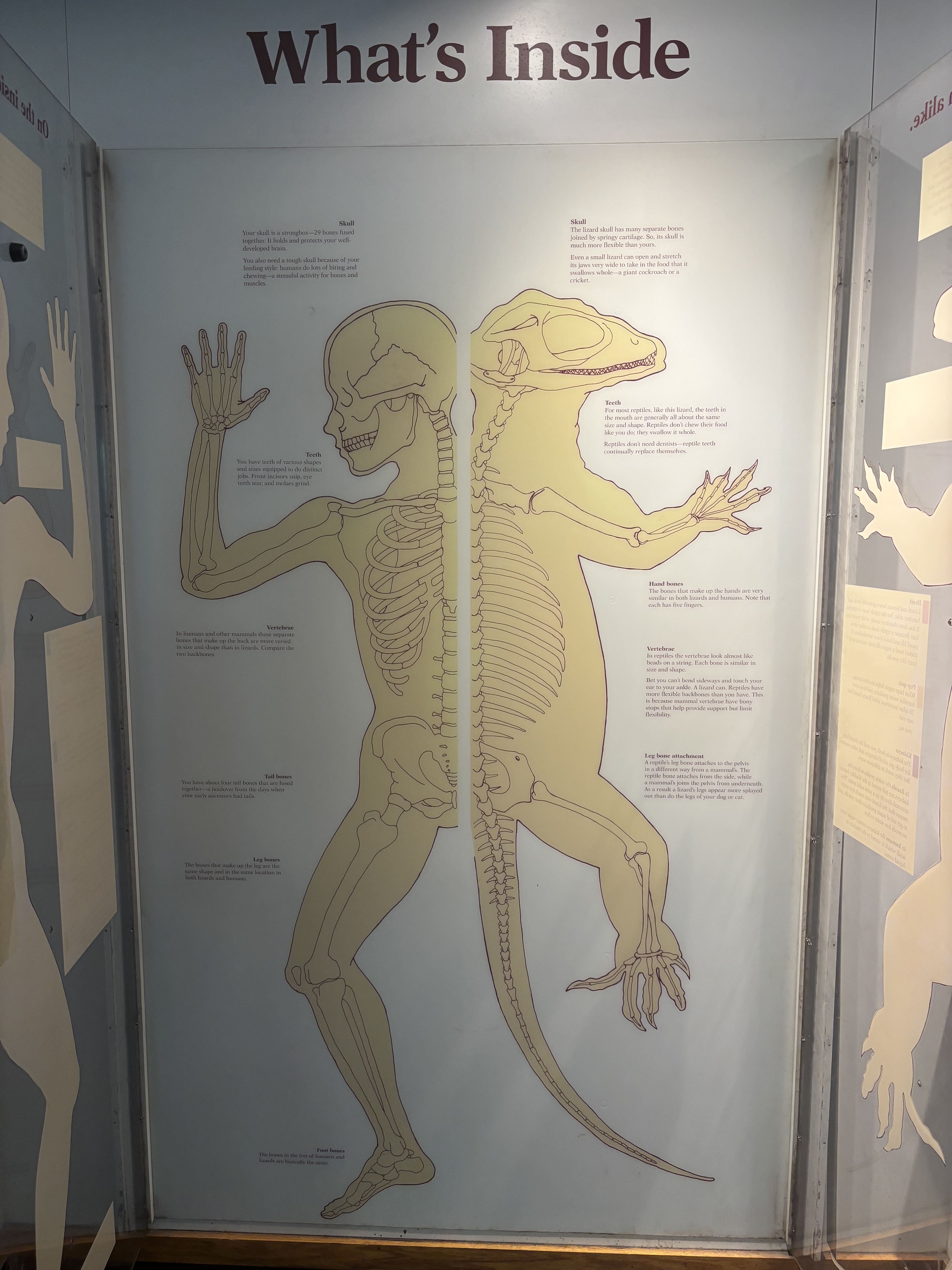
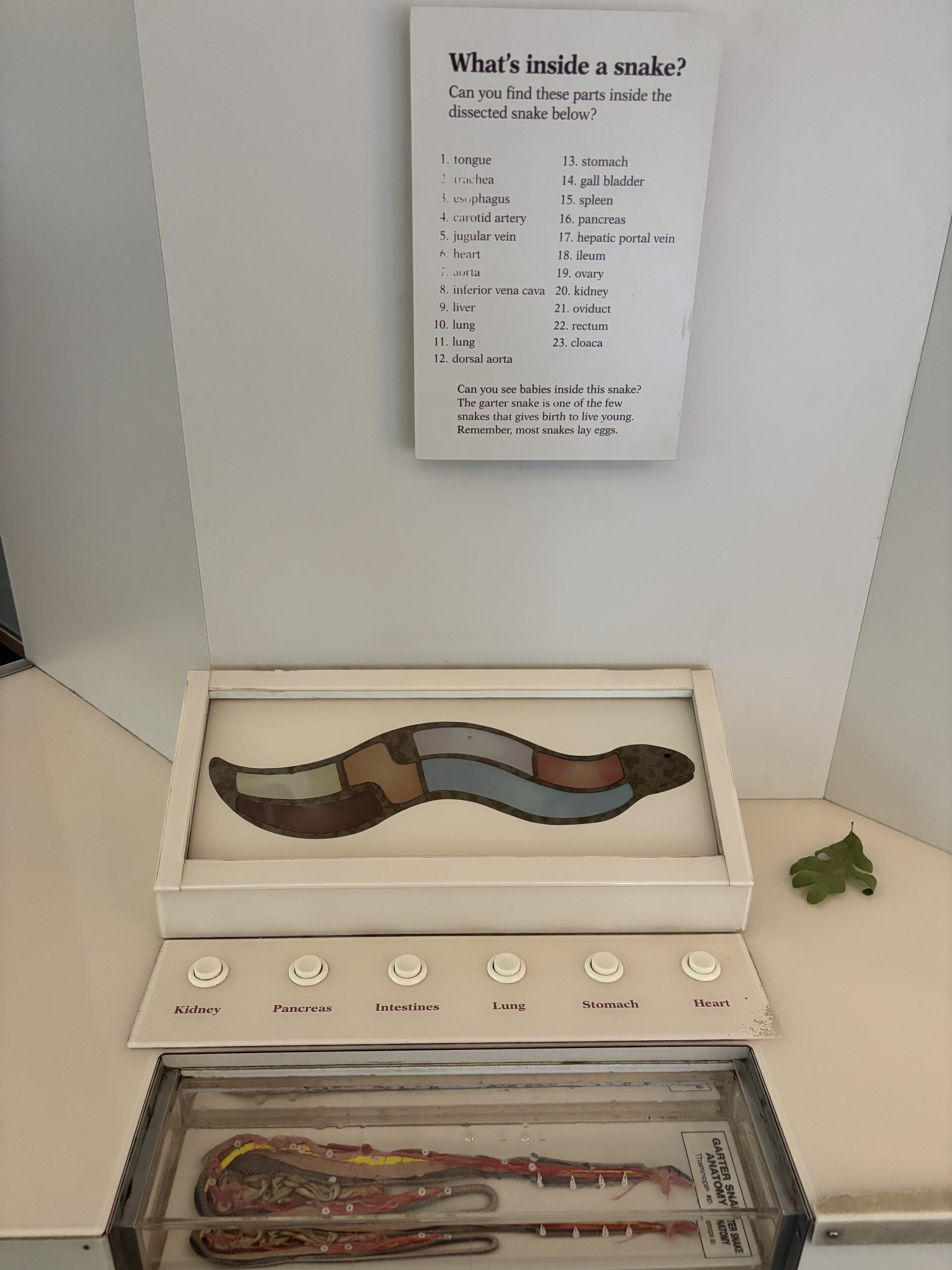
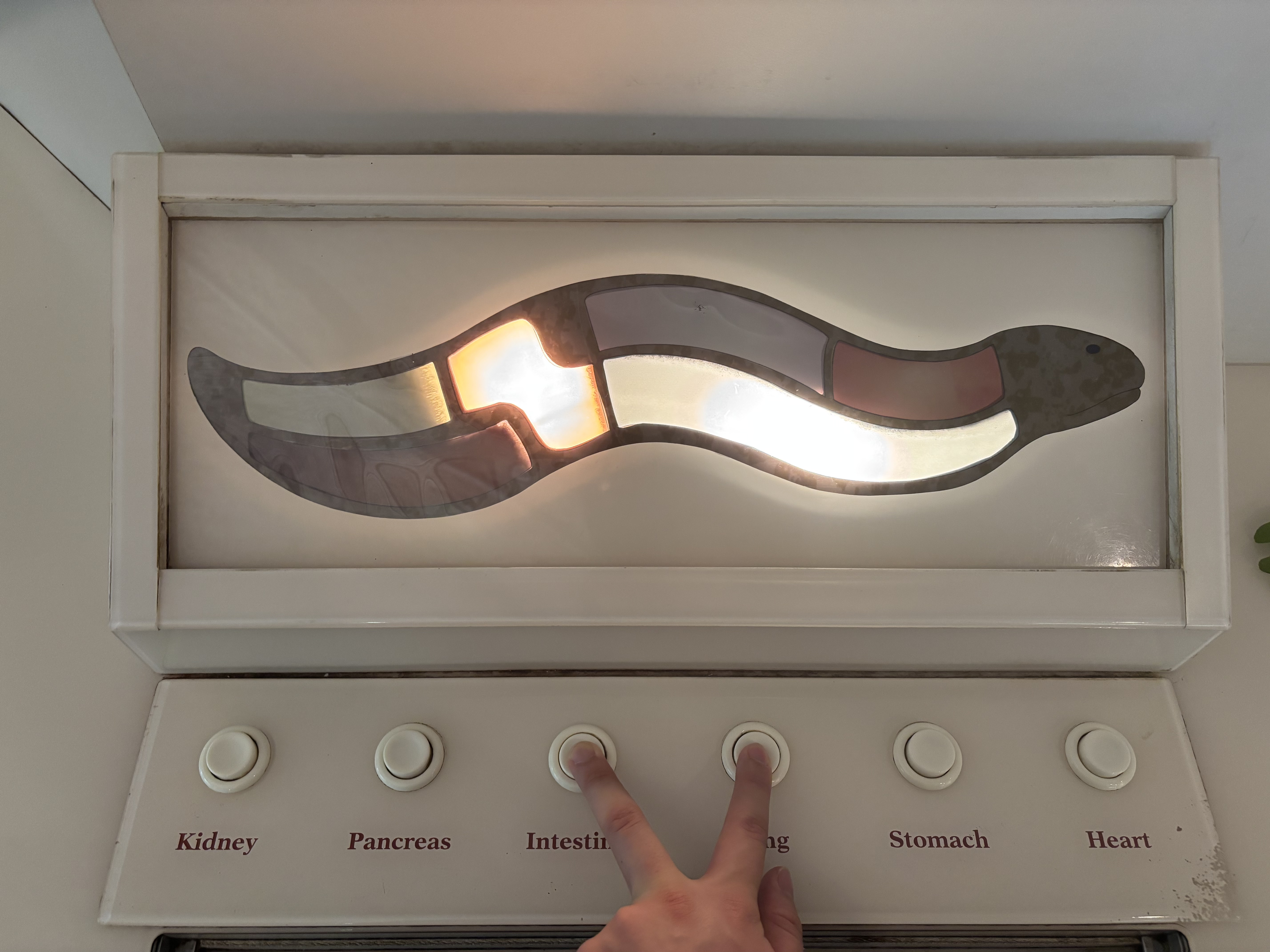
The first thing I saw when walking in were the activity books and small collectibles; I don't have a picture, but I recall there as an employee handing out reptile cards to kids saying they "were like Pokemon cards". Of the three halls I visited today, this is the one that tries the hardest to appeal towards a younger audience with little education. Notable displays here include a large comparison of human and reptile organs, as well as a light-up of the organs within a snake. |
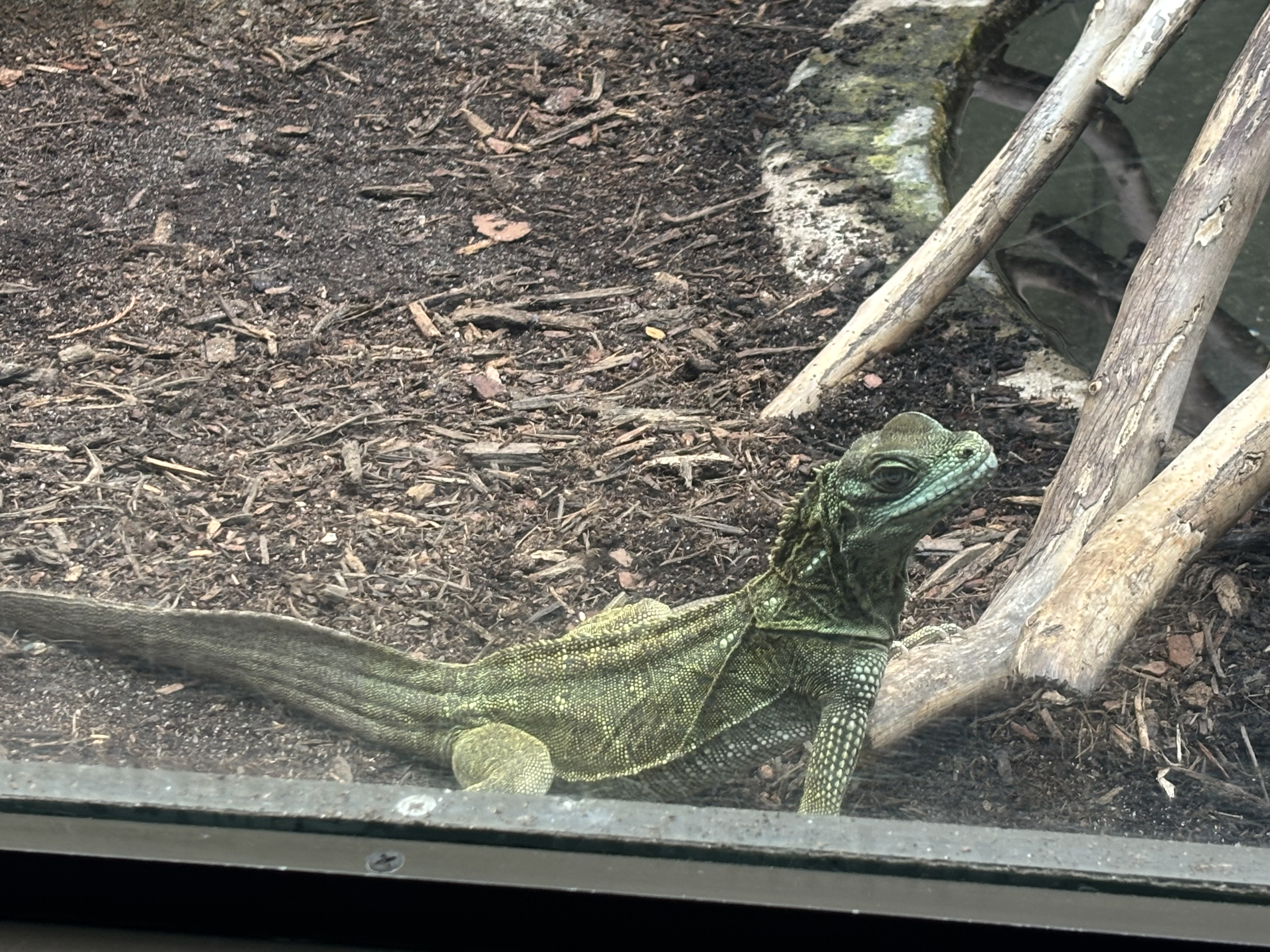 |
Weber's Sailfin Dragon: They can run on their hind legs. They are good swimmers because of long, flat tails, and can hold breath underwater for over an hour.
|
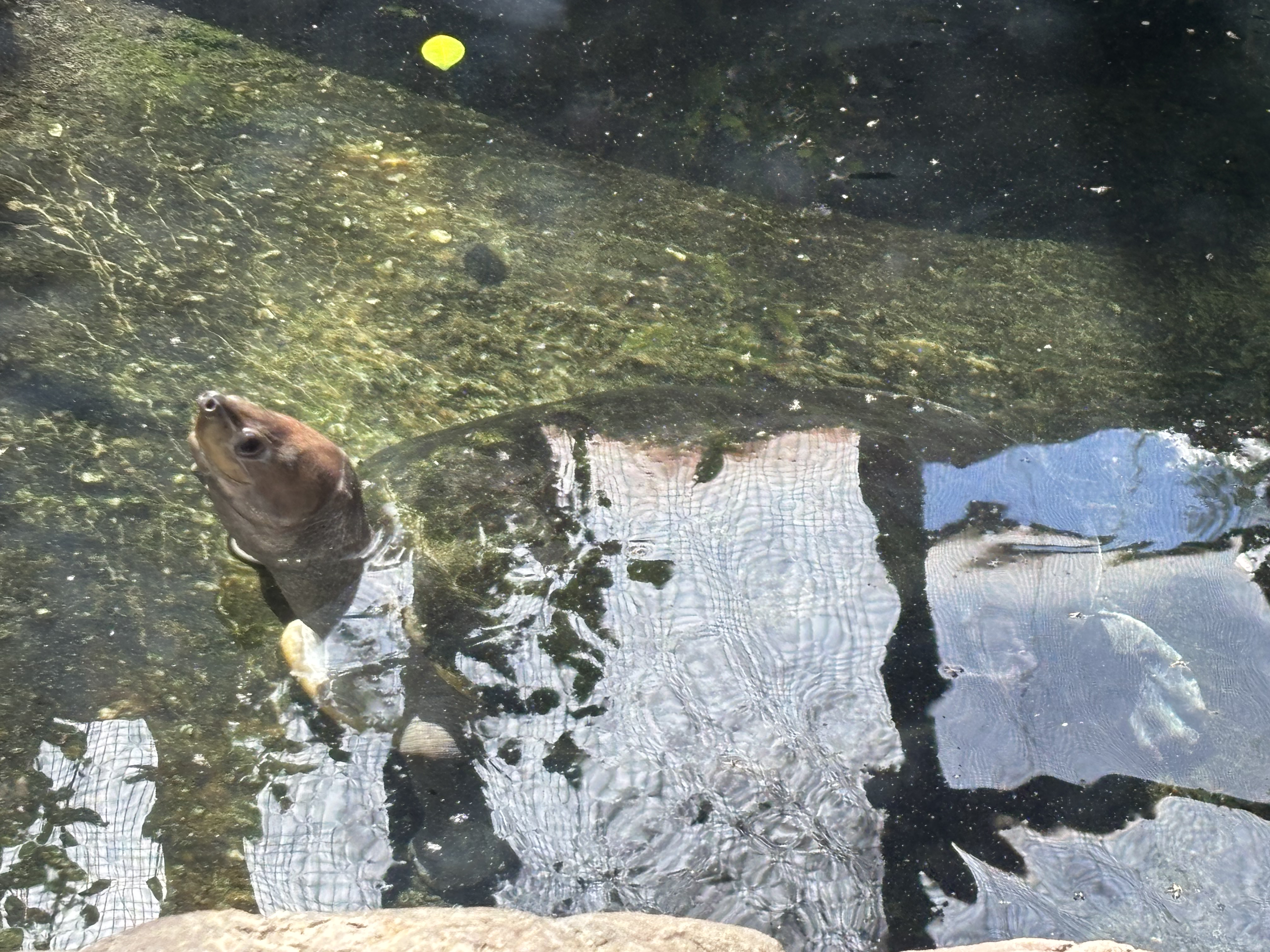 |
Painted Terrapin: They are endangered due to destruction of nesting habitats and overhunting.
|
Cuban Crocodile: Their only remaining natural habitats are one swamp in Cuba and a small island off the mainland. In response, the National Zoo is cooperating with the Species Survival Plan to hopefully keep the population up.
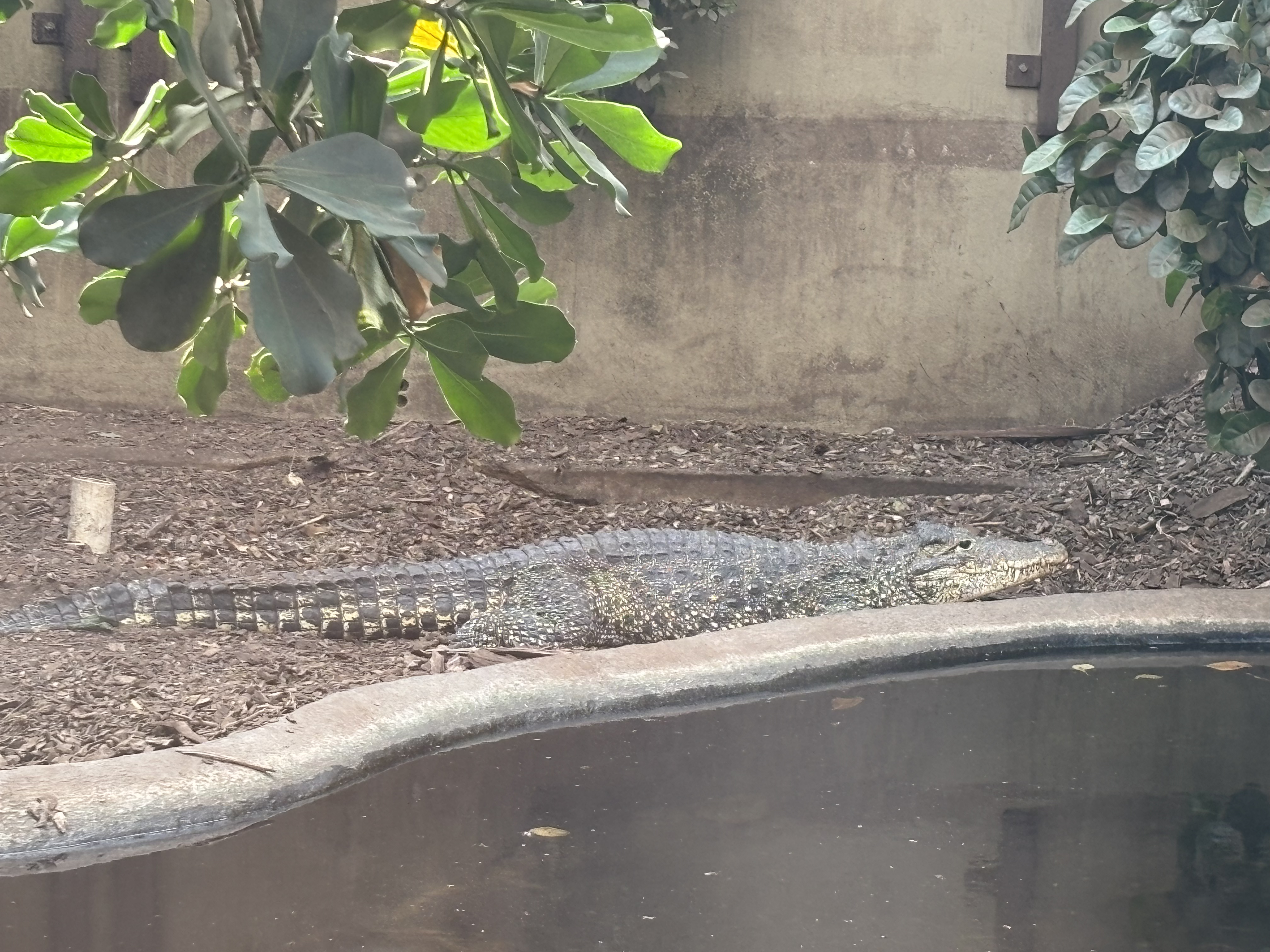
|
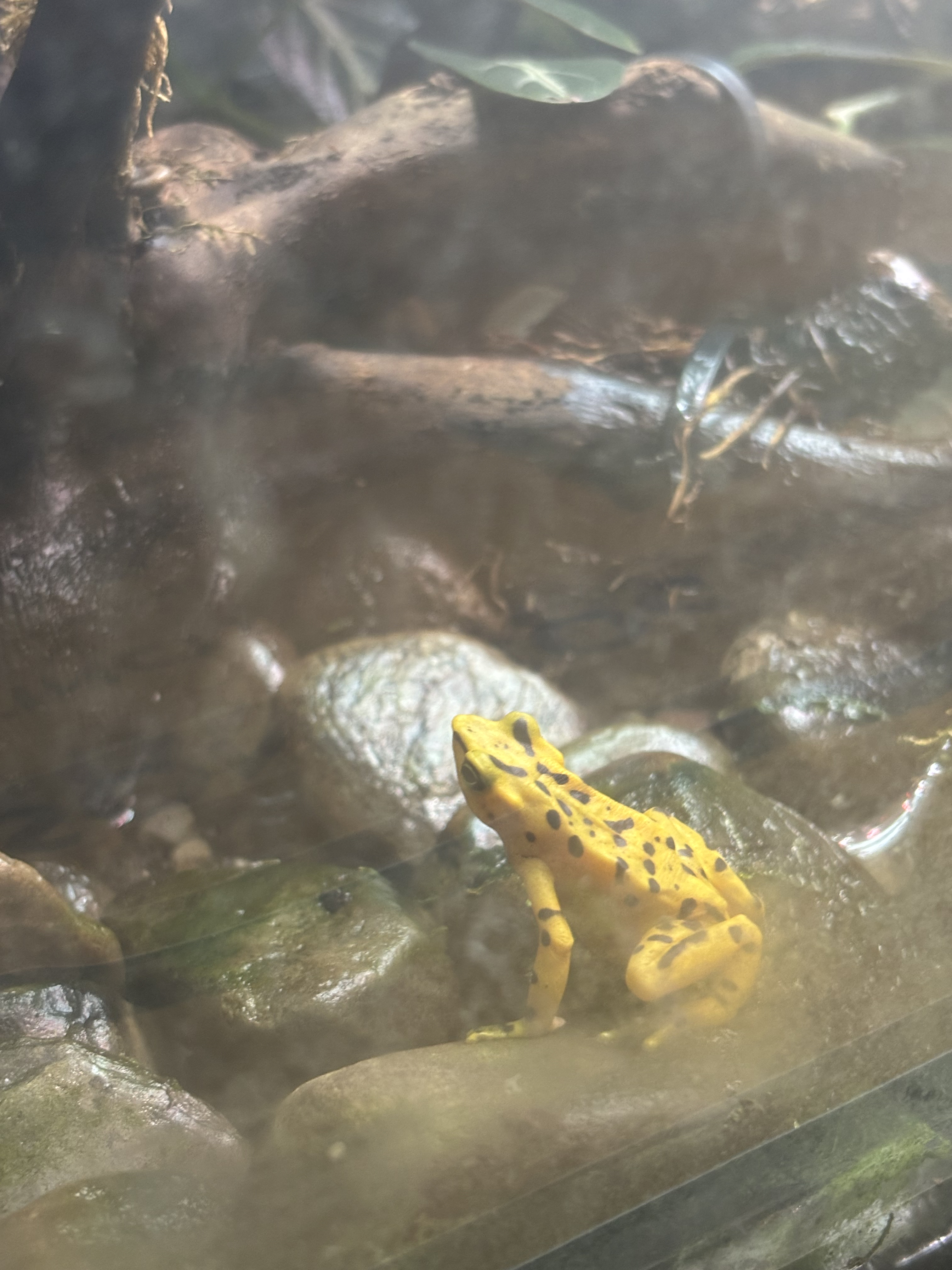
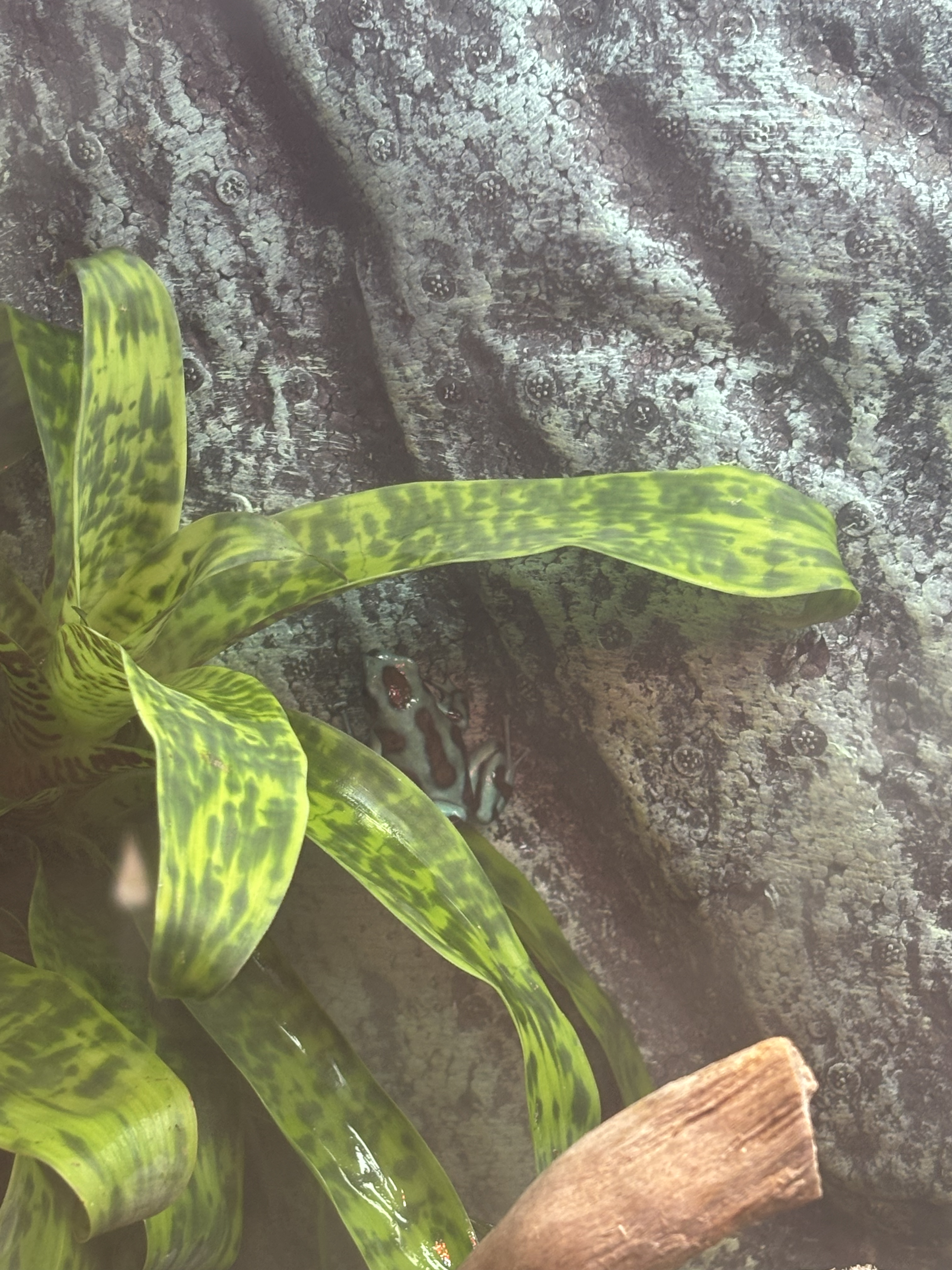
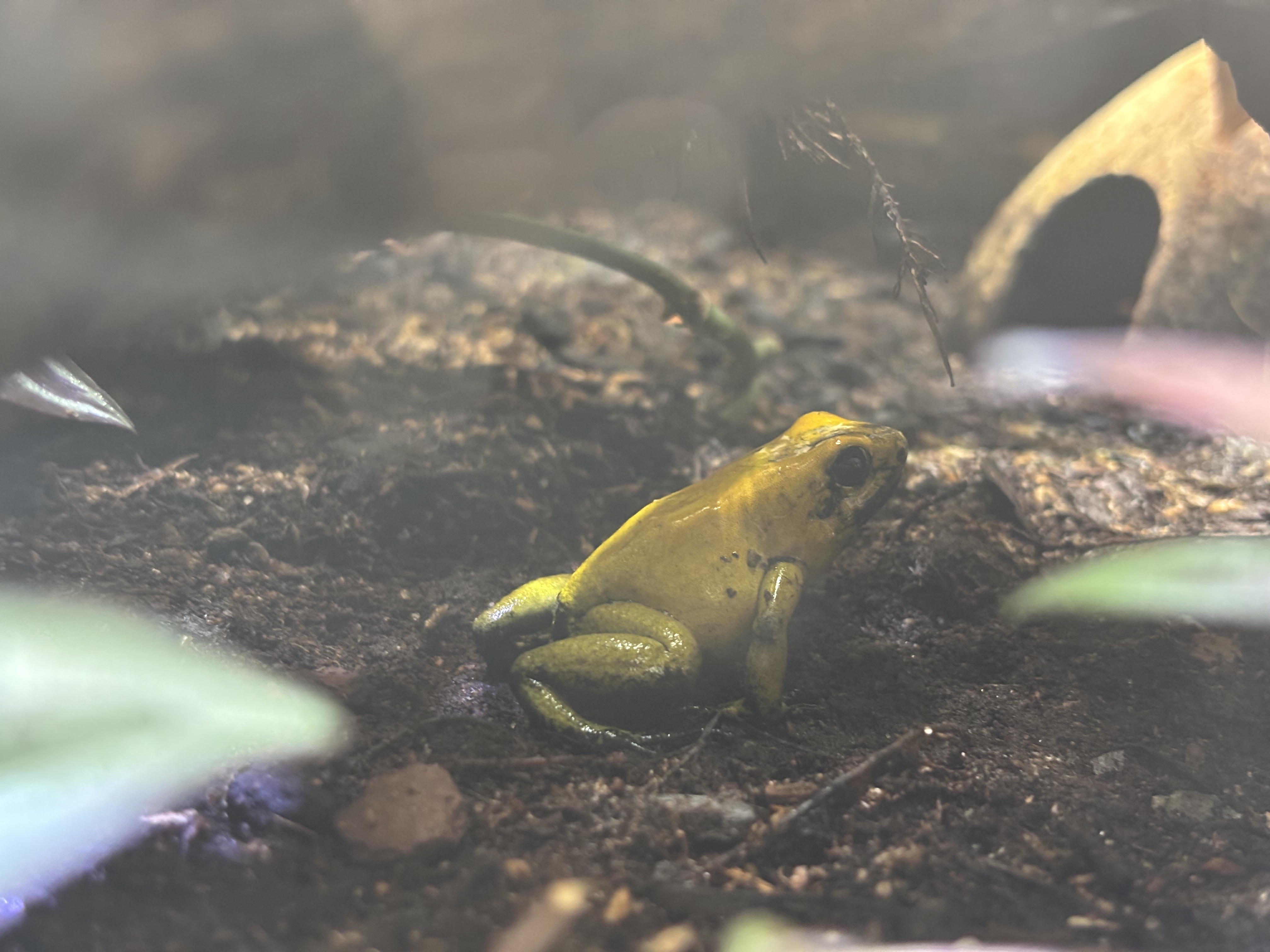
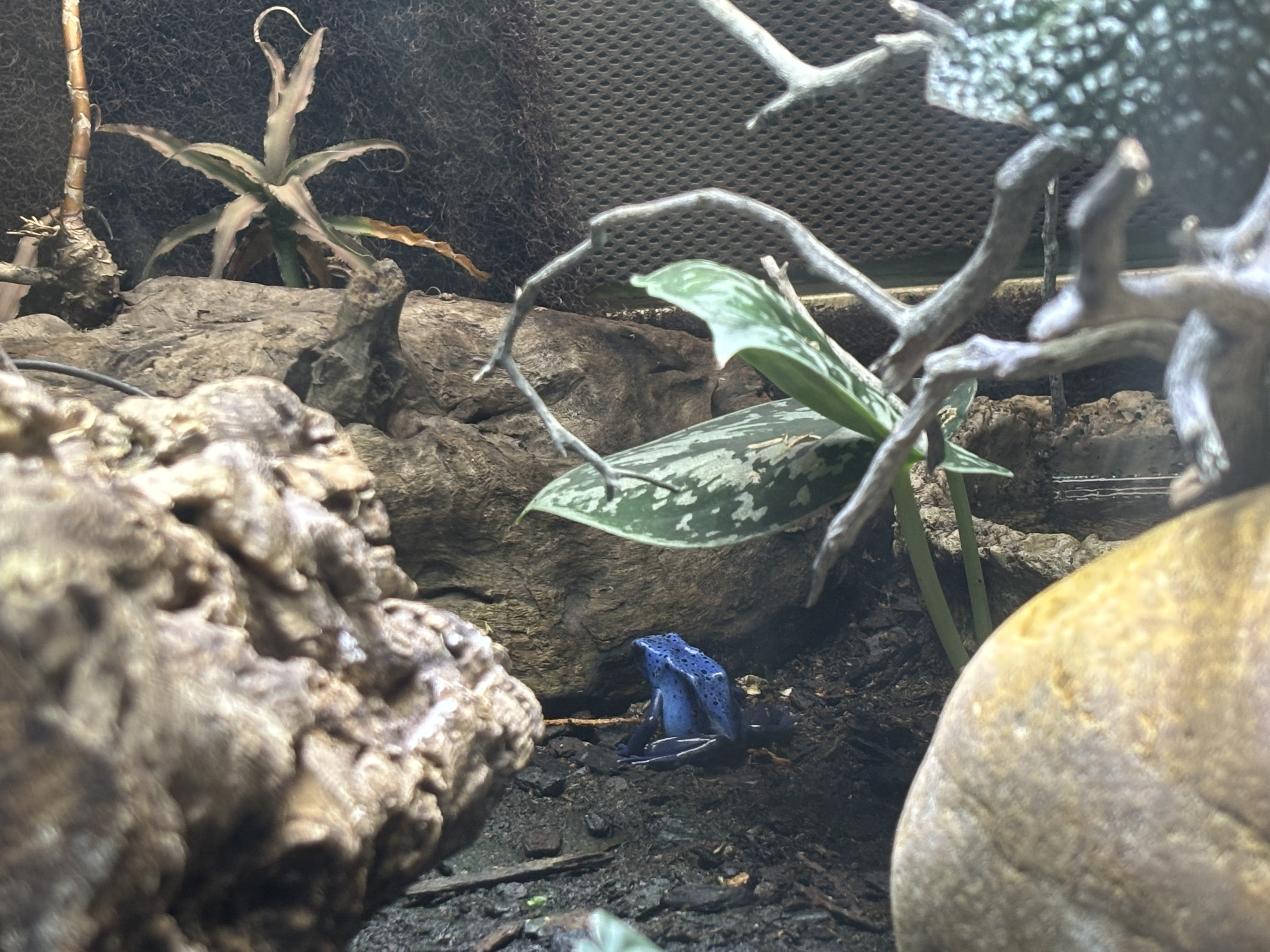
All sorts of Poison Frogs: There was a pretty nice variety of Poison frogs here.
Panamanian Frog: Raises their feet to communicate.
Green-and-black Poison Frog: Fathers protect eggs, and carry tadpoles to small pools of water.
Bicolor Poison Frog: 15mg of its toxin can kill an adult human.
Blue Poison Frog: Makes toxins from chemicals in its diet of forest ants. The ones seen in zoos, though, have a controlled diet, so they don't produce toxins.
|
|
 |
Amazonia |
I observed that for the open rainforest section, there are much fewer information placards than there were for the others. This, like the others, is targeted towards a literate yet not necessarily knowledgeable audience. |
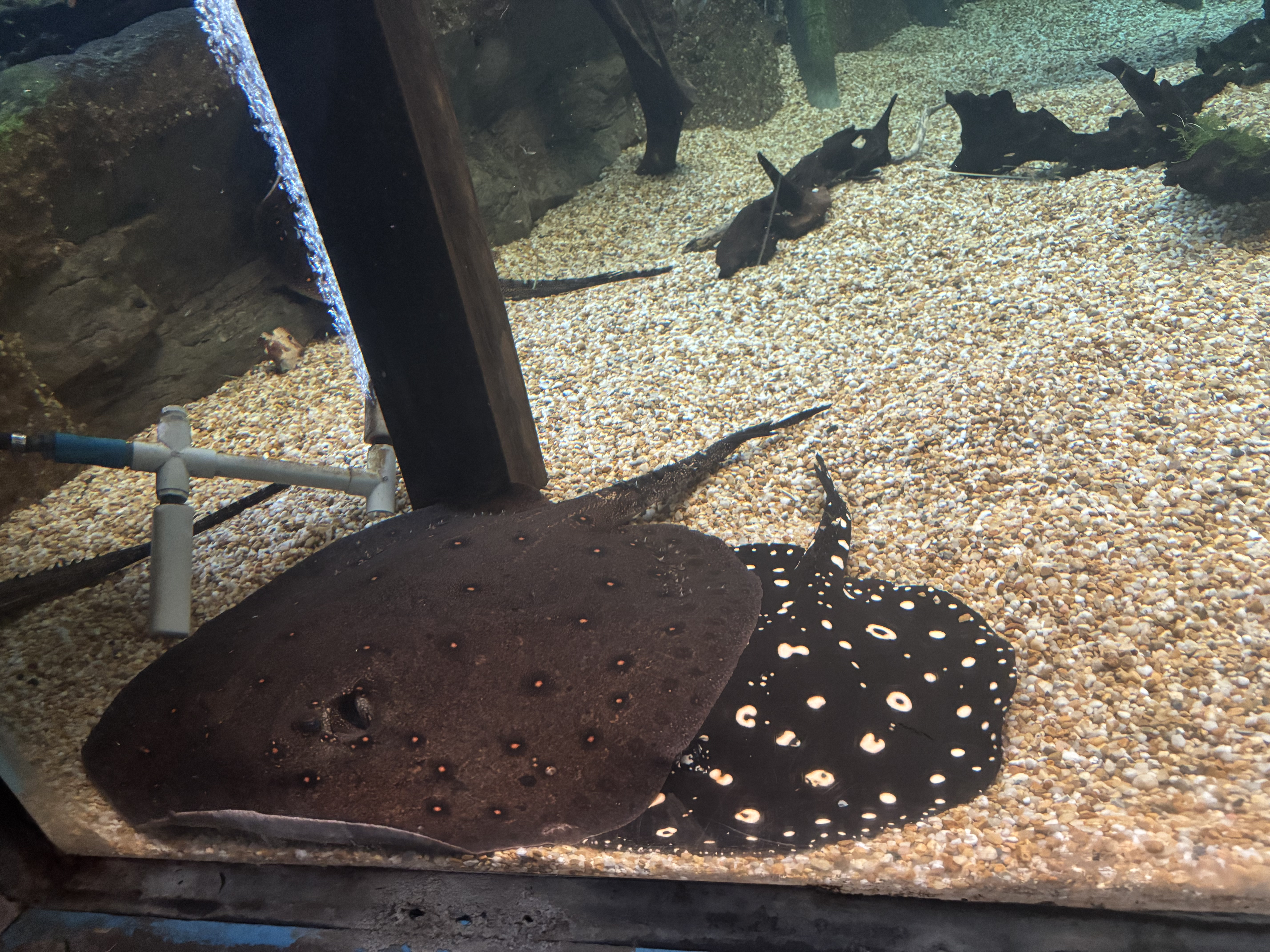 |
Freshwater Stingray: Descendants of Pacific Ocean stingrays. They are threatened because they are traded as ornamental fish. |
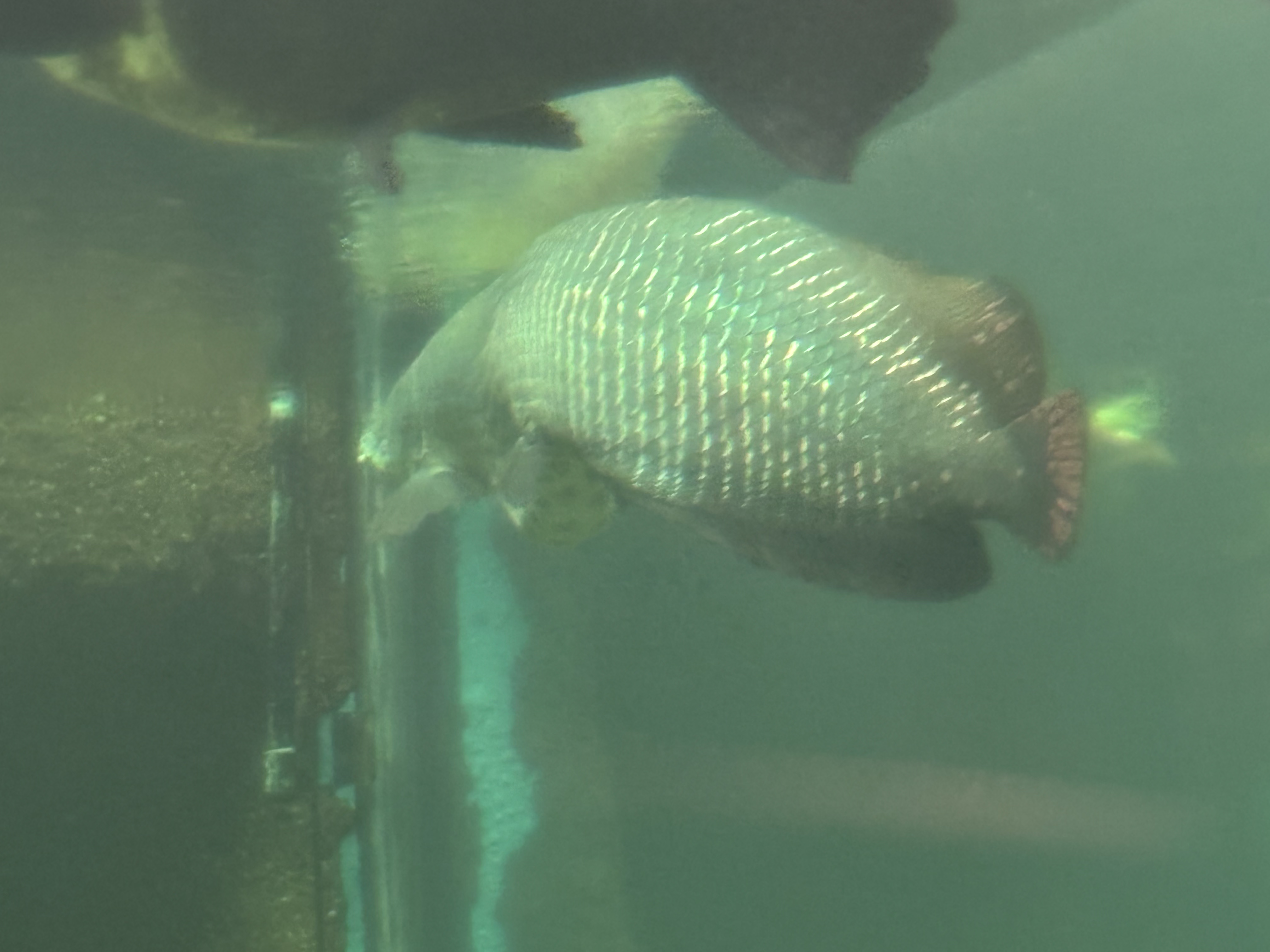 |
Arapaima: They grow rapidly, from half an inch long to almost 3 ft after one year, to their adult length of 10 feet. They have been overfished for food.
|
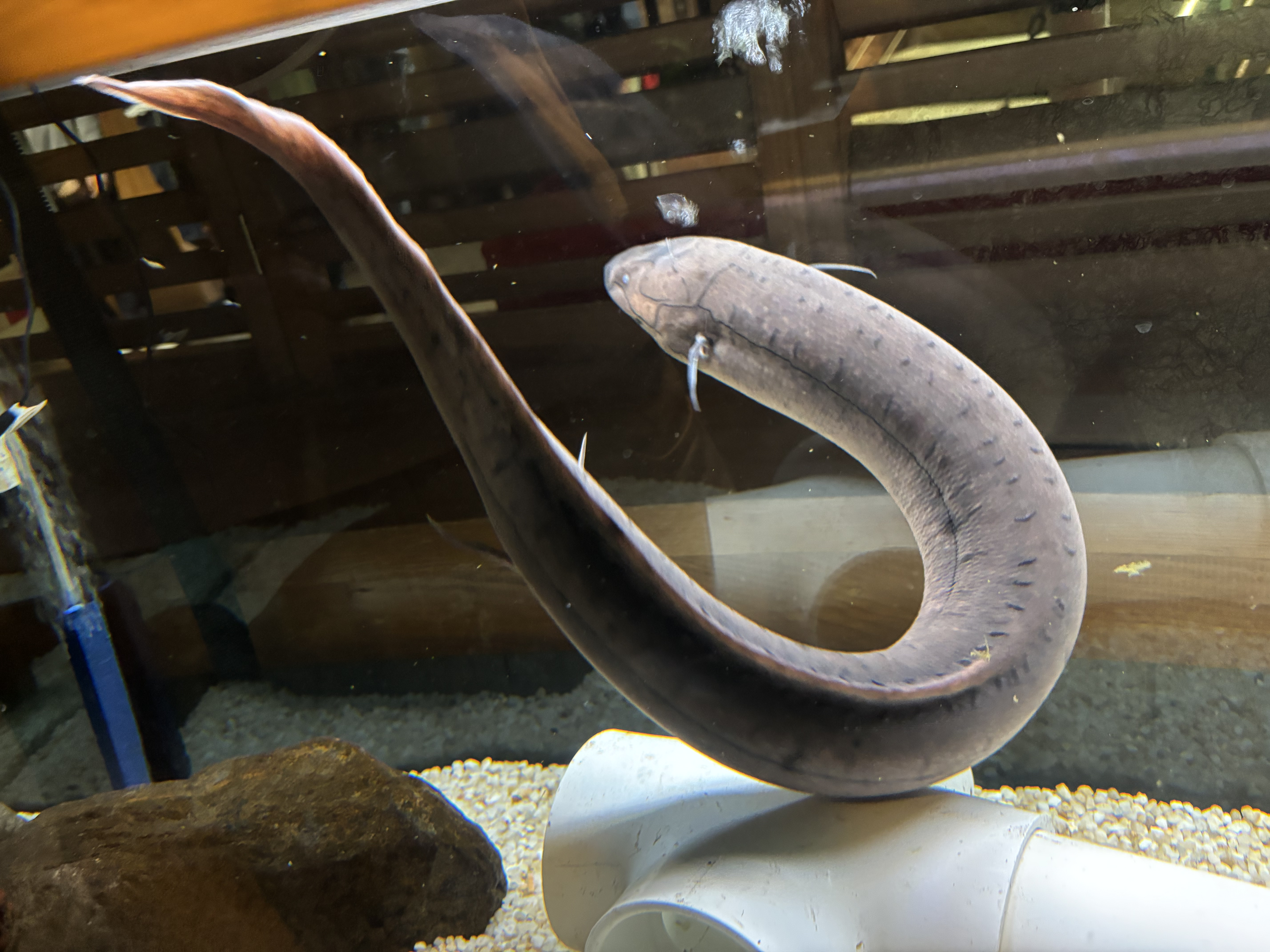
| South American Lungfish: They have lungs and breathe air. Male lungfish add oxygen to the water with their fins when brooding.
|
 |
Guinea Pig: They are found in the Andes Mountains, where they are raised as livestock. They eat grasses, alfalfa, hay, vegetables, and fruits. Females can have up to 5 litters a year, 3 pups each litter on average, with a gestation period of 2 months.
Smithsonian also warns us not to keep wild guinea pigs as pets. Only domestic ones are safe, and we must do research before adopting one to make sure it is ethically sourced.
|
 |
Across all locations, I observed that most people don't actually pay attention to the information and visual displays. Besides SGCers, I did not see anyone who wasn't either a child or an adult with a child; in any case, it seems they were primarily there to look at animals. While this does mean the zoo isn't conveying information very well, it is understandably hard to get children to learn things they aren't interested in. However, it's good that the resources are there for those who want to learn more.
The zoo seems to like using interactive displays. They serve a variety of functions, but in general, they seem to be there to boost engagement. Interaction is simple, in that there aren't many moving parts.
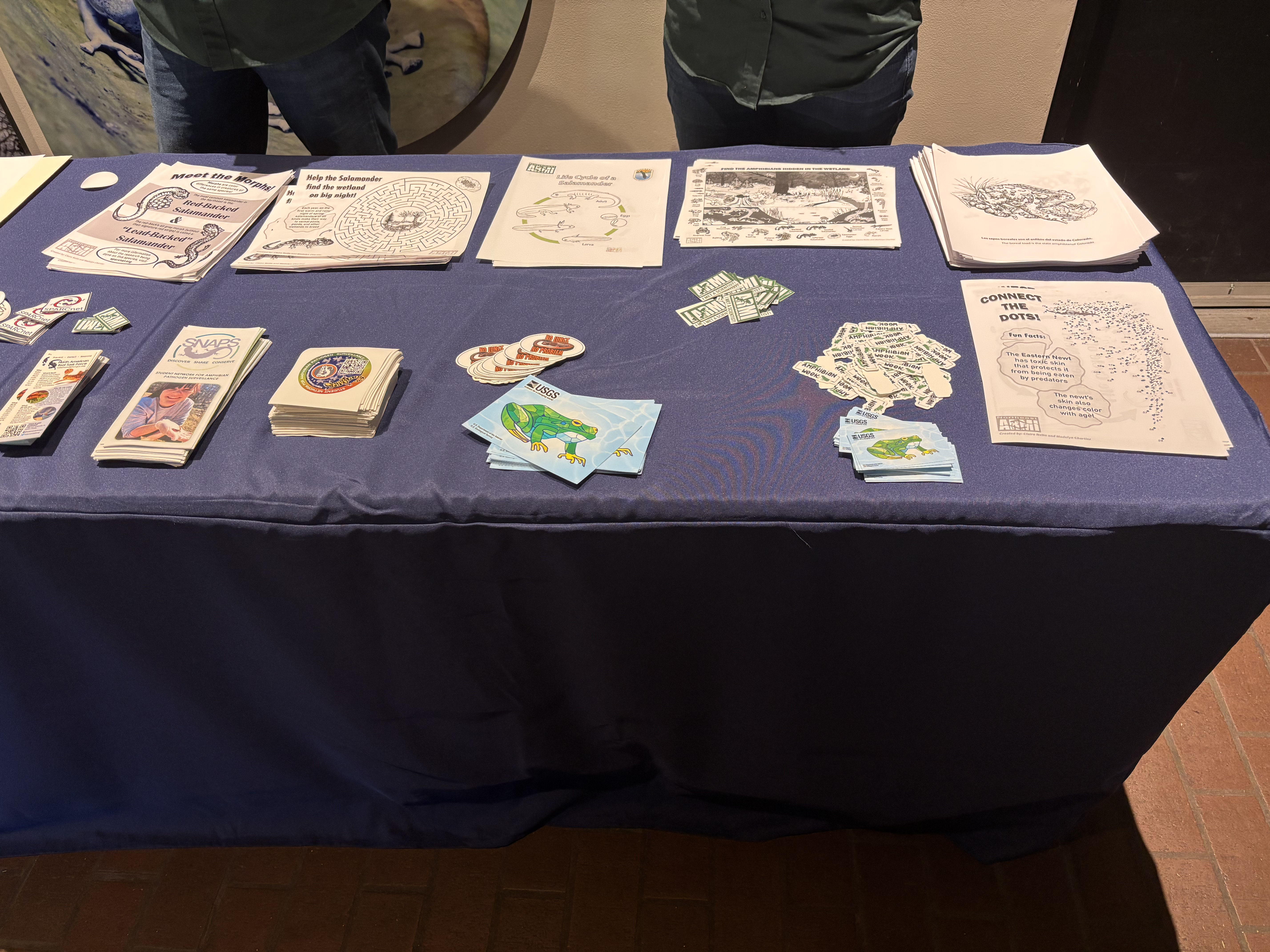
In addition, they hand out activities for children to do, further encouraging them to interact with the material. In the Reptile center, employees were handing out coloring books, connect-the-dots, and mazes alongside stickers and other collectibles. (Third image, third row. There was also a T-shirt printing station at the end, although I couldn't get any pictures.)
 |
 |
 |
 |
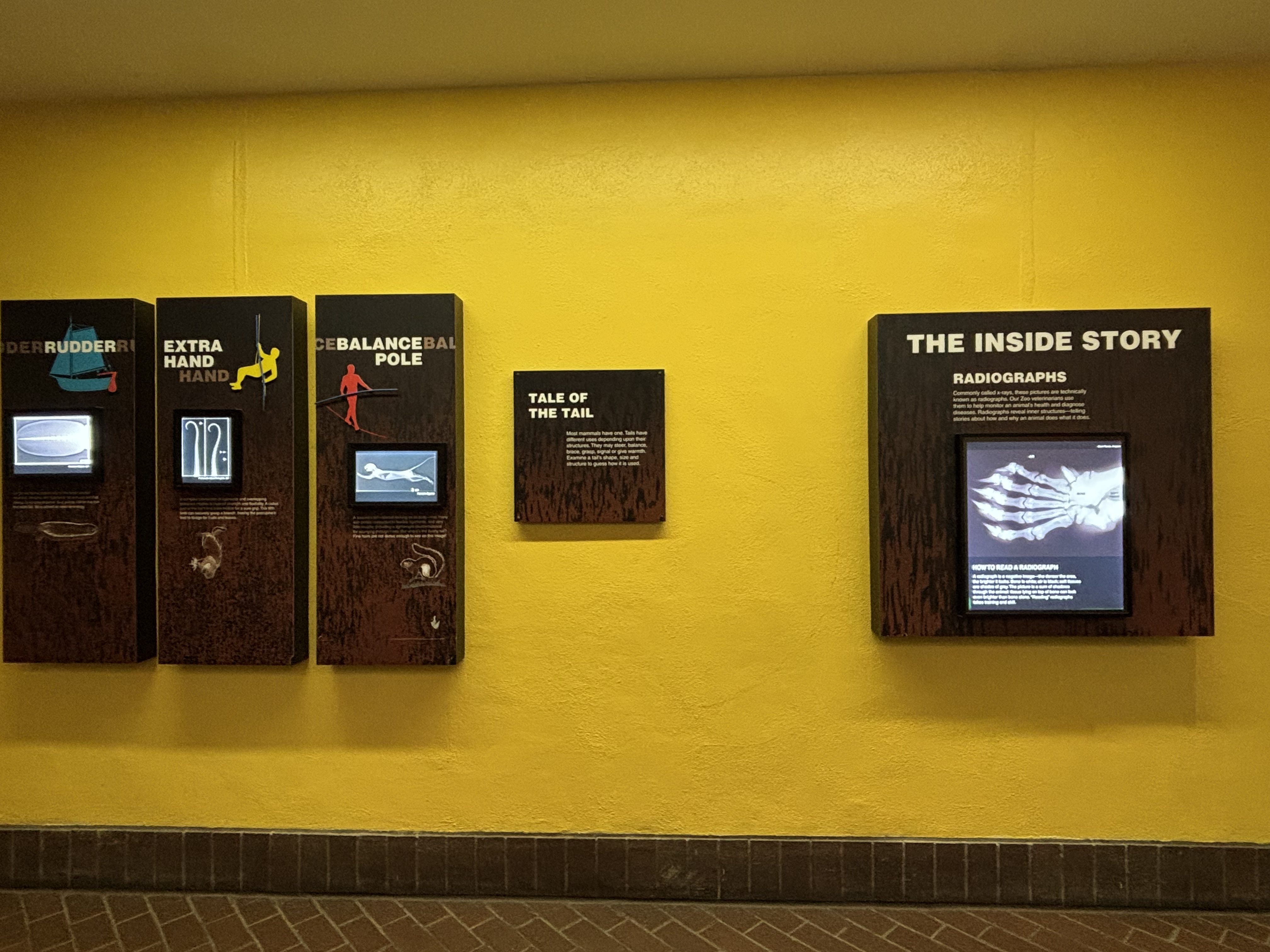
| Panels showing X-rays of various body parts and the functions they correspond to. |
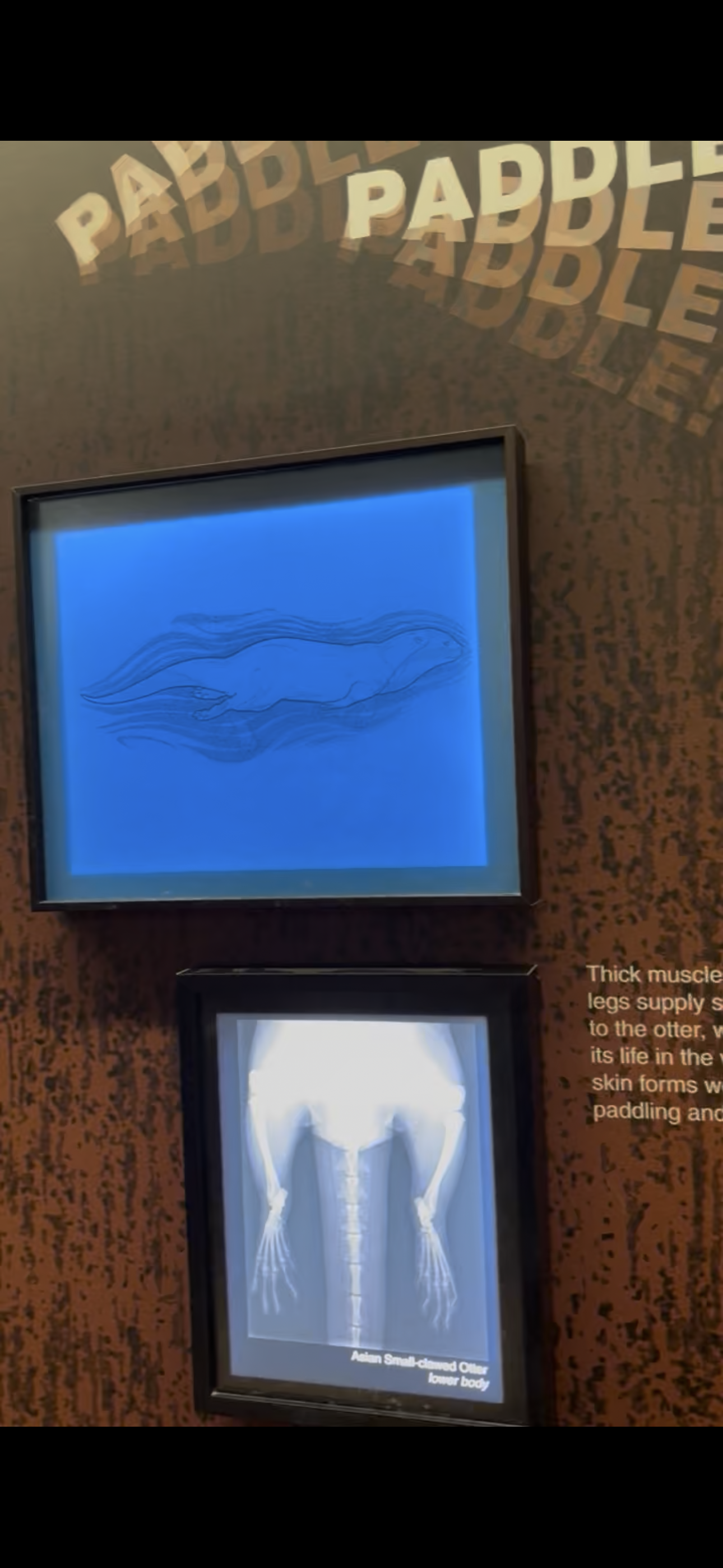
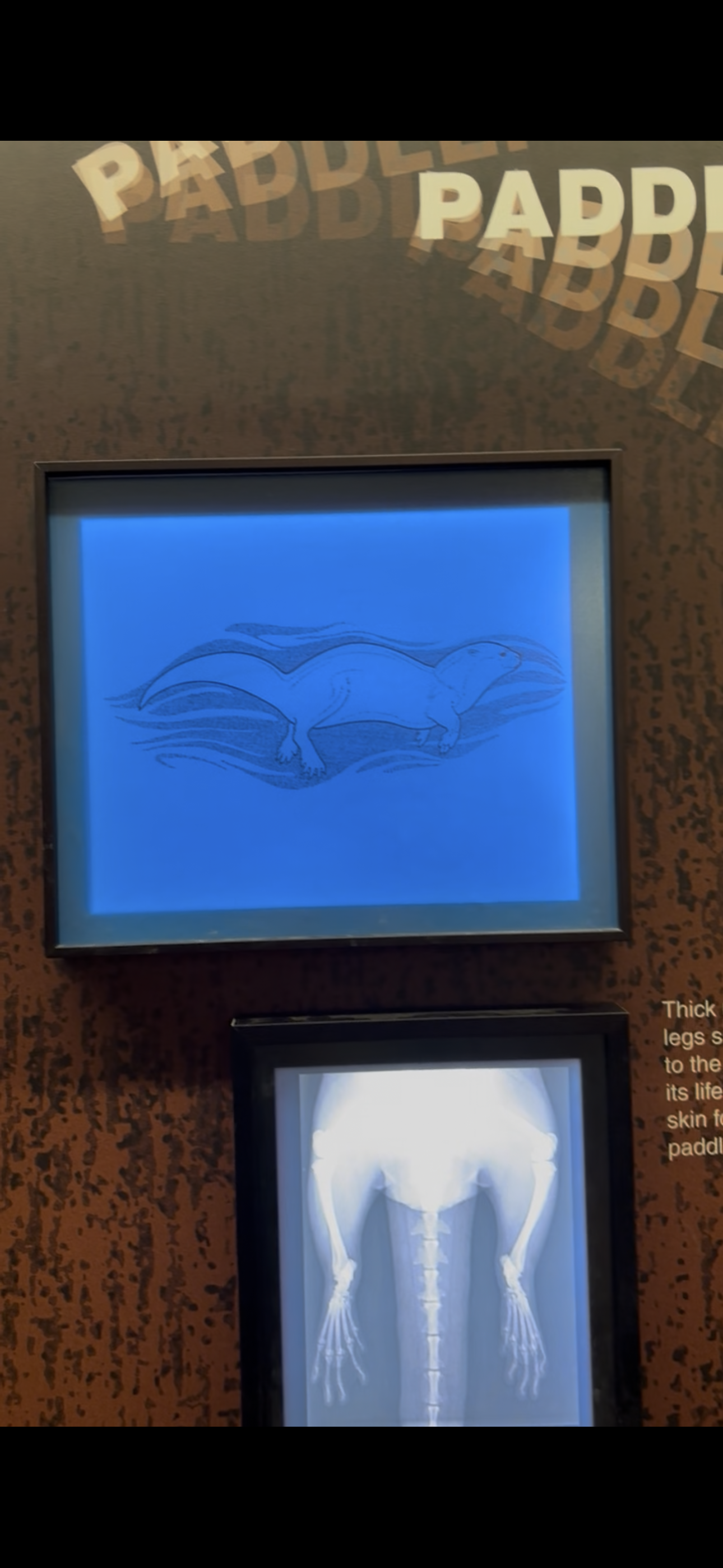
One group of panels about feet and how their function motivates their structure included "animations"; the image that appears changes depending on the angle that you look. This is an example with an otter paddling. |
 |
 |
 |
 |
| An openable display showing similarities between reptiles and humans. |
A light-up showing the locations of organs within a snake. |
 |
 |
 |
 |
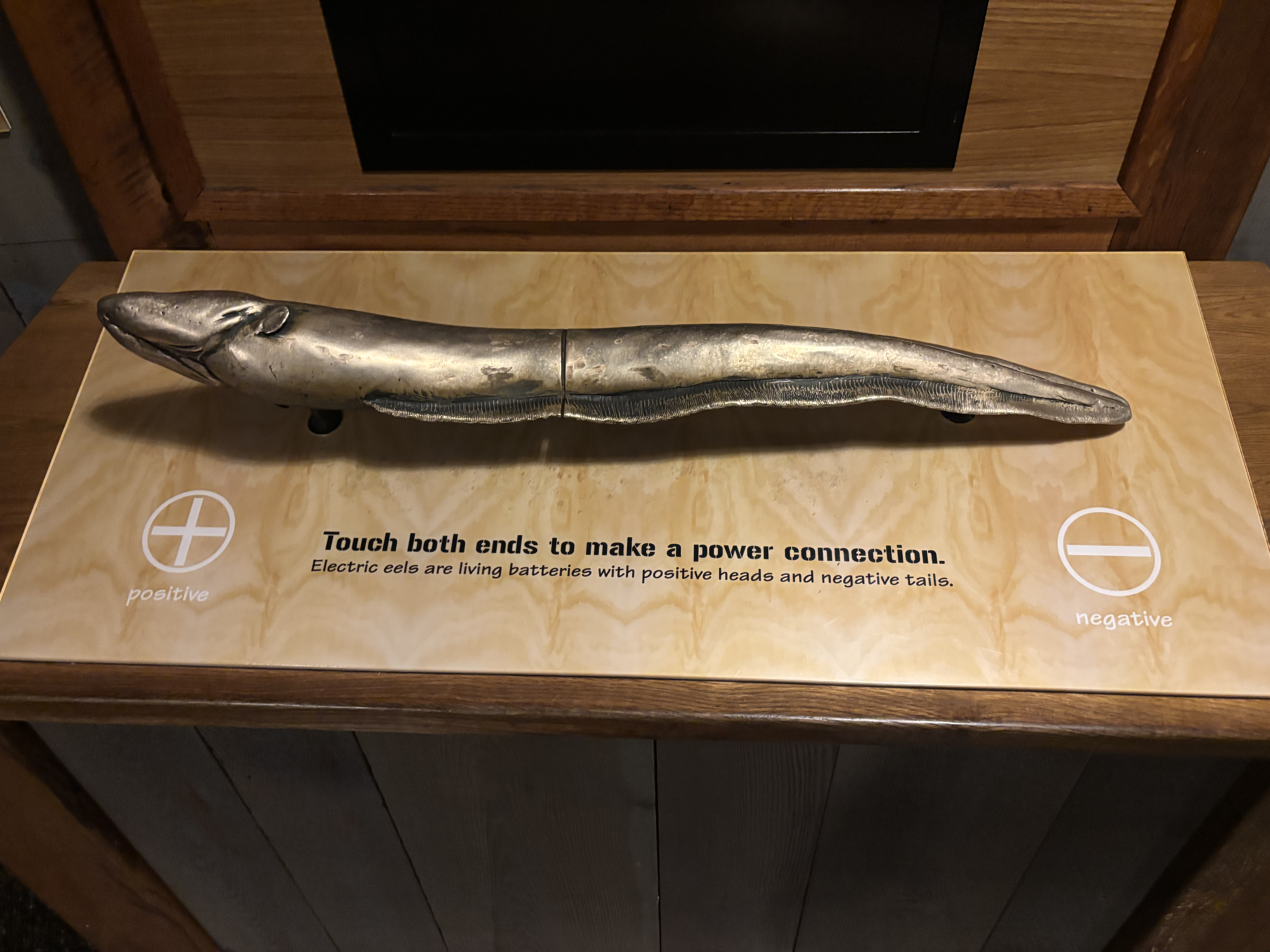
| An "electric eel" that vibrates when both sides are connected. |
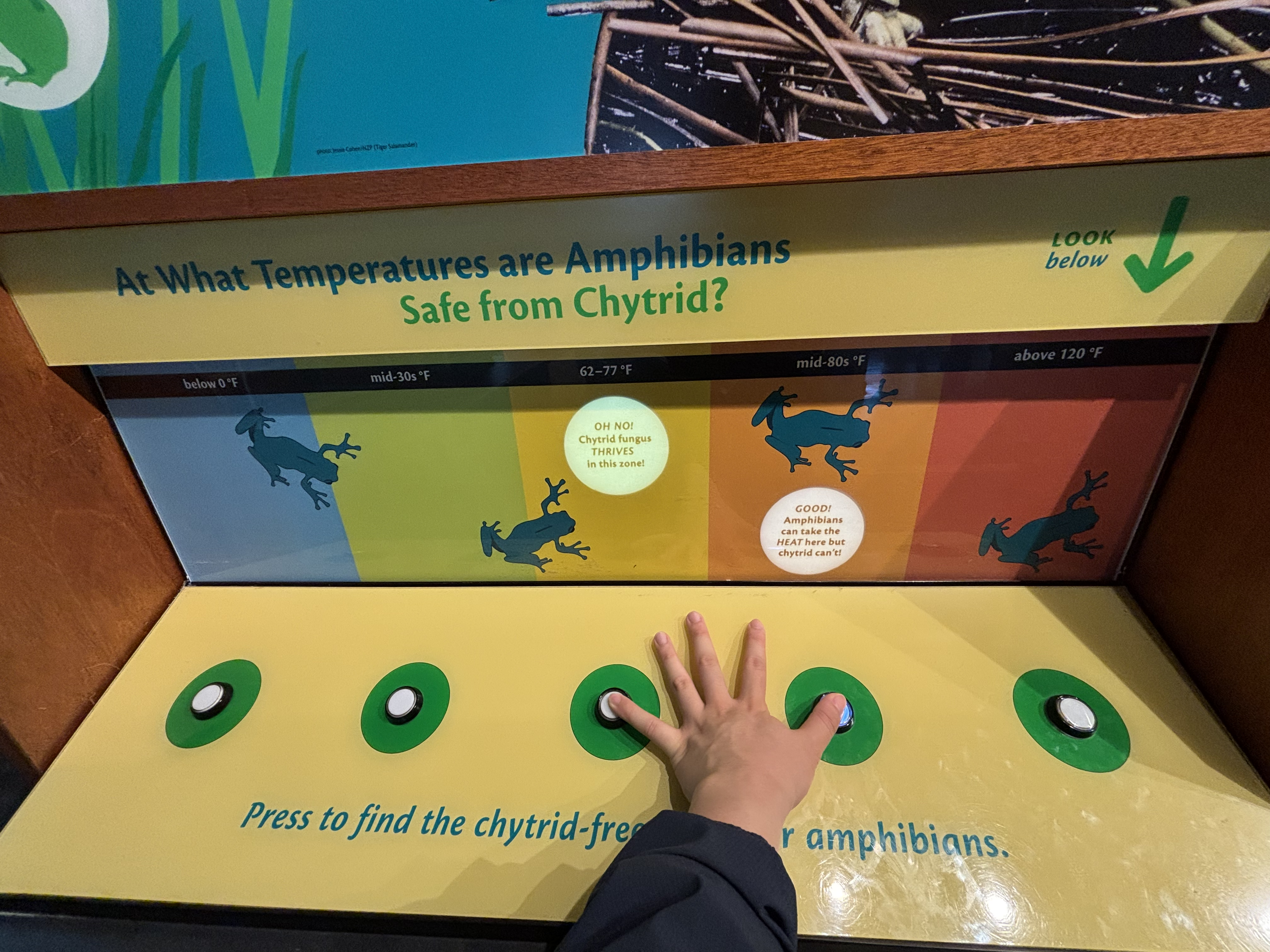
A light-up display of the temperature ranges where frogs are safe from chytrid (where frogs can live but chytrid can't). |
A table of stickers and activity books at the entrance to the Reptile Center. |
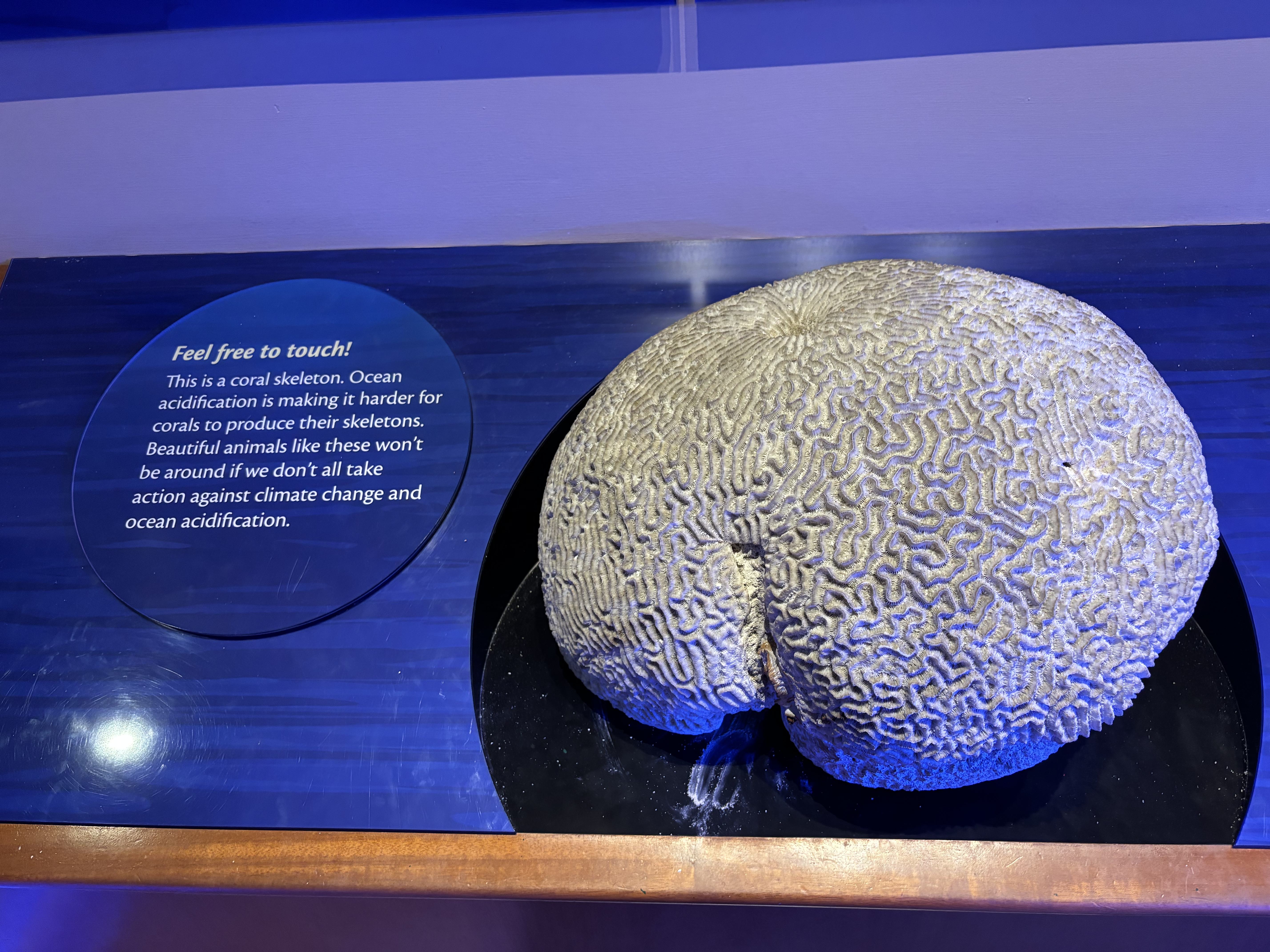
A coral skeleton. |
In general, the enclosures are designed to have elements of the habitats the animals came from; this is a consistent theme across the zoo.
For example, while visiting the small mammals, there was a section for the nocturnal animals that was kept in darkness, save for red lamps. I found this notable because it is an example of adjusting the environment around the animal in a way that goes beyond the objects inside their enclosures.
Another neat example is the O-line; though not a part of the three buildings I wrote about today, it gives the orangutans freedom to move between the Think Tank and the Great Ape House.