New York Field Trip
11/22/25 10:30 am New York
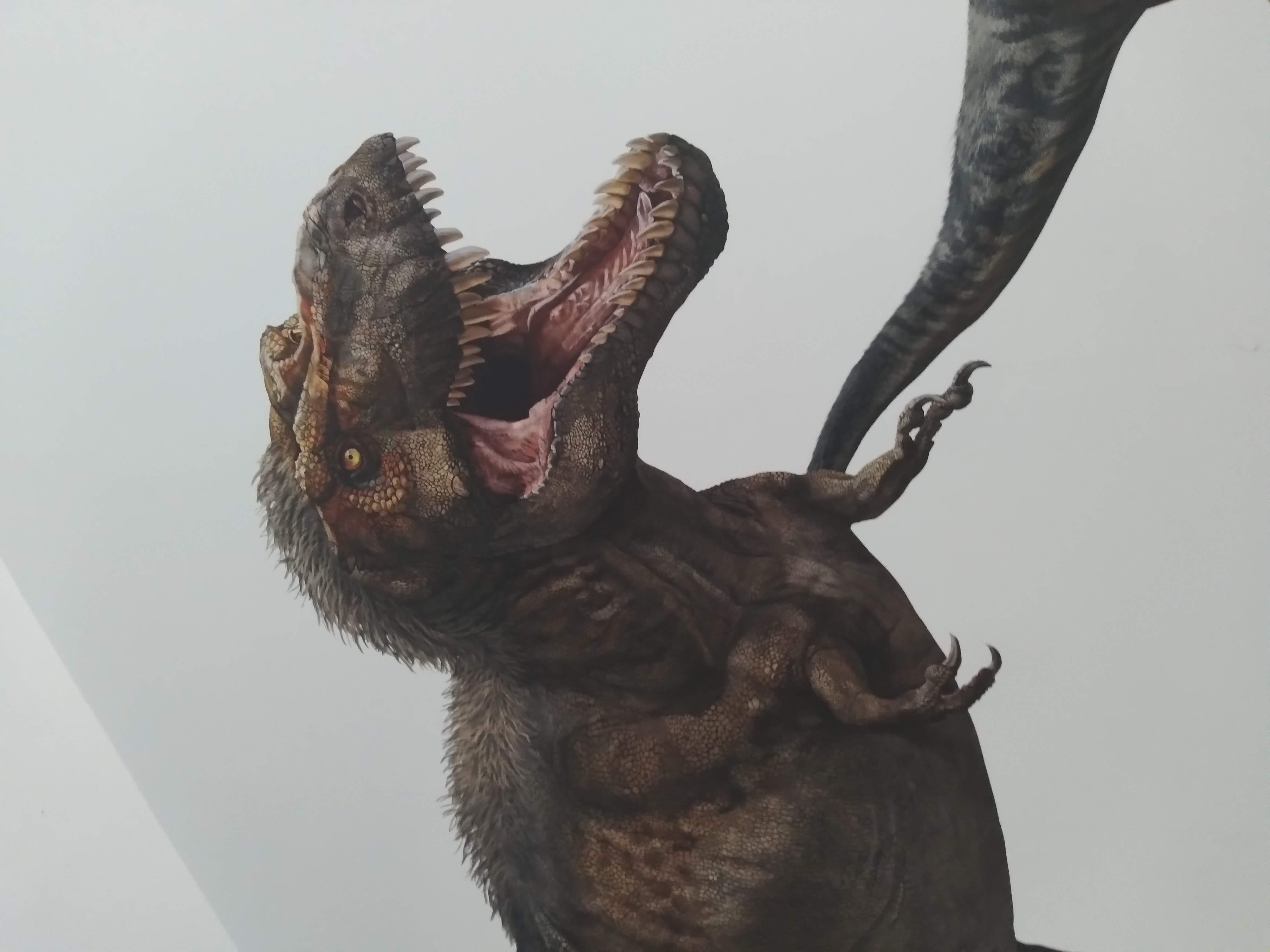
The Impact: The End of the Age of Dinosaurs exhibit focused on the asteroid impact that happened 66 million years ago. One of the first displays I saw was a giant projector screen showing a realistic animation of dinosaurs just before and during the meteor impact. It basically played a short movie with block seating arranged in a small theater setup. The narrator explained everything in simple language with captions at the bottom of the screen so everyone could follow along. It showed how most animals didn’t survive, how temperatures dropped because the sky was filled with smog, and how some species survived by living in water or other sheltered areas. They mentioned that around 75% of species went extinct. I thought this display was very easy to understand, even for young kids, because the narrator broke the concepts down, and the visuals made it obvious what was happening.
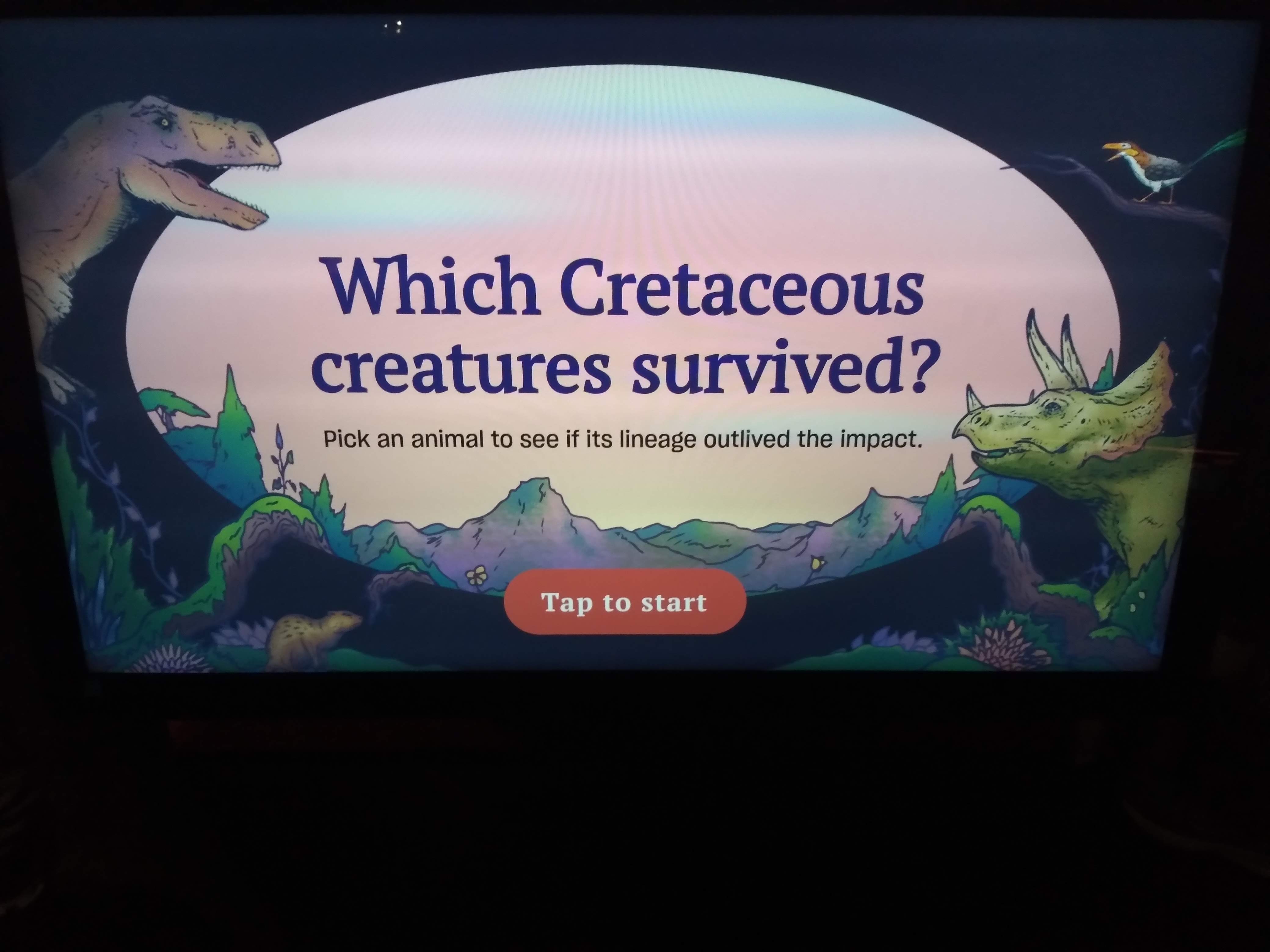
There was also an interactive touchscreen display where visitors could choose different animals to see if they lived through the extinction or not. Some survived and still exist today, like frogs. Others died immediately or lasted only a little while afterward. It lit up and used bright colors to keep people’s attention, which is good for kids. The wording was casual, but still gave helpful information like how many millions of years ago the animal went extinct. Both displays connected the dinosaurs to animals that still exist today. They showed that the extinction didn’t just impact the dinosaurs, it also shaped what kinds of animals are around today.
During the fossil hall tour with Dr. Merck, he explained that the whole exhibit is organized like a giant cladogram. As you walk through the rooms, you’re basically moving through evolutionary history in order. We started with jawless fish like lampreys, and then moved into displays showing the evolution of jaws and later features. One highlight I found interesting was when Dr. Merck talked about the common claim on TV that sharks are “primitive”. He said that’s actually wrong because sharks branched off from jawless fish and aren’t primitive at all. A cool part of the display was seeing the fossil of a fish that died while trying to swallow another fish. It looked like a snapshot frozen in time. Another highlight I learned is that lobe-finned fish have the same bone structure as land vertebrates. This means all land vertebrates (including us) came from that group. Some parts of the fossil halls are outdated, and only half of the amniotes were represented. The major feature of the exhibit that was outdated was the placement of turtles. The hall shows an older idea of where turtles fit in on the evolutionary tree, but new genetic evidence proves their position is different.
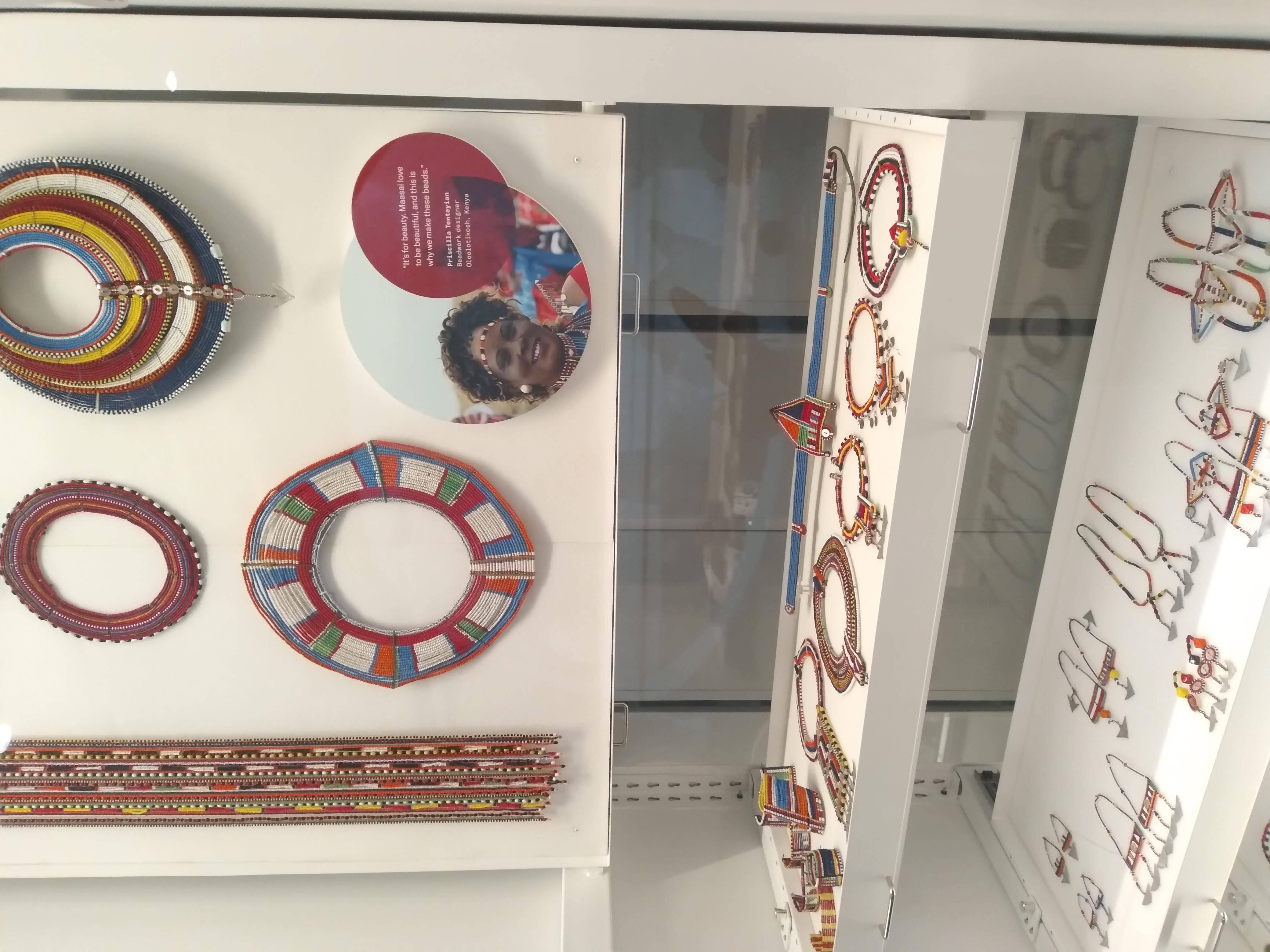
I also saw preserved specimens, like invasive toads, stored in formalin or ethanol. These “pickled specimens” were kept in clear jars so you could see the details. Another cool part was the clear-stained fish that showed their bones through their bodies. The museum also stores cultural artifacts like ancient Mayan bricks, Chinese roof tiles, and Maasai beadwork. This raises ethical questions because it brings up issues of permission, ownership, and whether the museum is representing other cultures correctly. These artifacts can help people learn, which is a good thing. However, the museum has to be careful not to steal artifacts from communities and leave none for them.
The Space Show this year was called “Encounters of the Milky Way”. The theme was how our galaxy and other star galaxies can interact with each other. A lot of the information was about telescopes and how we observe objects in space. Some images looked like real measurements, but others were clearly CGI made for the show. I learned that scientists can tell when interstellar objects (like fast-moving comets) enter our solar system. That’s one piece of information that I didn’t know before.